
In our fast-paced, hyper-connected world, our homes have become our ultimate sanctuaries. There is a growing desire among US homeowners and renters alike to create spaces that feel grounded, restorative, and deeply connected to the outdoors. This is where organic interior design shines. More than just a passing trend, this style is a holistic approach to decorating that centers on natural materials, soft organic shapes, earthy tones, layered textures, and an abundance of natural light.
It naturally overlaps with biophilic interior design and organic modern interior design, offering a way to craft a calming home design that feels both curated and effortlessly welcoming. Whether you live in a suburban house or a city apartment, bringing the outdoors in can transform your space into a restful retreat.
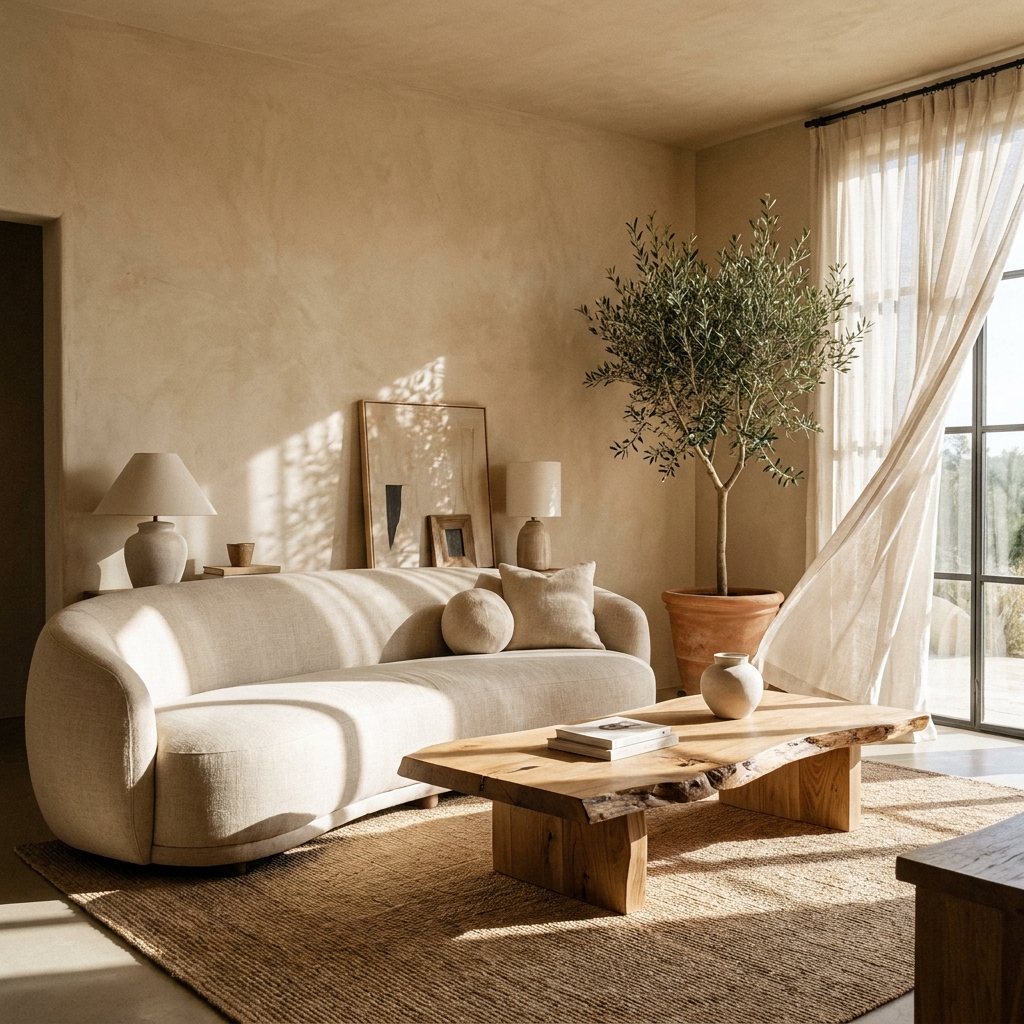
What Is Organic Interior Design?
At its core, organic interior design is all about mimicking the natural world. It relies heavily on natural materials in interior design—such as raw wood, stone, and clay—and celebrates their inherent imperfections. Unlike strictly rustic or farmhouse styles, which can sometimes feel heavy, dark, or overly themed, organic design focuses on visual softness and a relaxed elegance. It also departs from stark, ultra-modern minimalism, which can sometimes feel sterile. Instead, this approach champions a warm minimalist interior where every piece has a purpose but also invites you to touch, sink in, and relax.
The core principles include:
- Natural Materials: Utilizing elements in their most authentic, unrefined state.
- Imperfect Textures: Embracing the nubby feel of linen or the rough grain of reclaimed wood to create deeply textured interiors.
- Curved Forms: Incorporating organic shapes that mimic the fluid, asymmetrical lines found in nature.
- Earthy Palettes: Using colors pulled directly from the landscape.
- Craftsmanship: Valuing handmade pieces and sustainable furniture over mass-produced decor.
It is important to note that this style is not the same as an “all-natural” or strictly rustic design. It is a sophisticated, nature-inspired home aesthetic that balances raw elements with refined comfort.
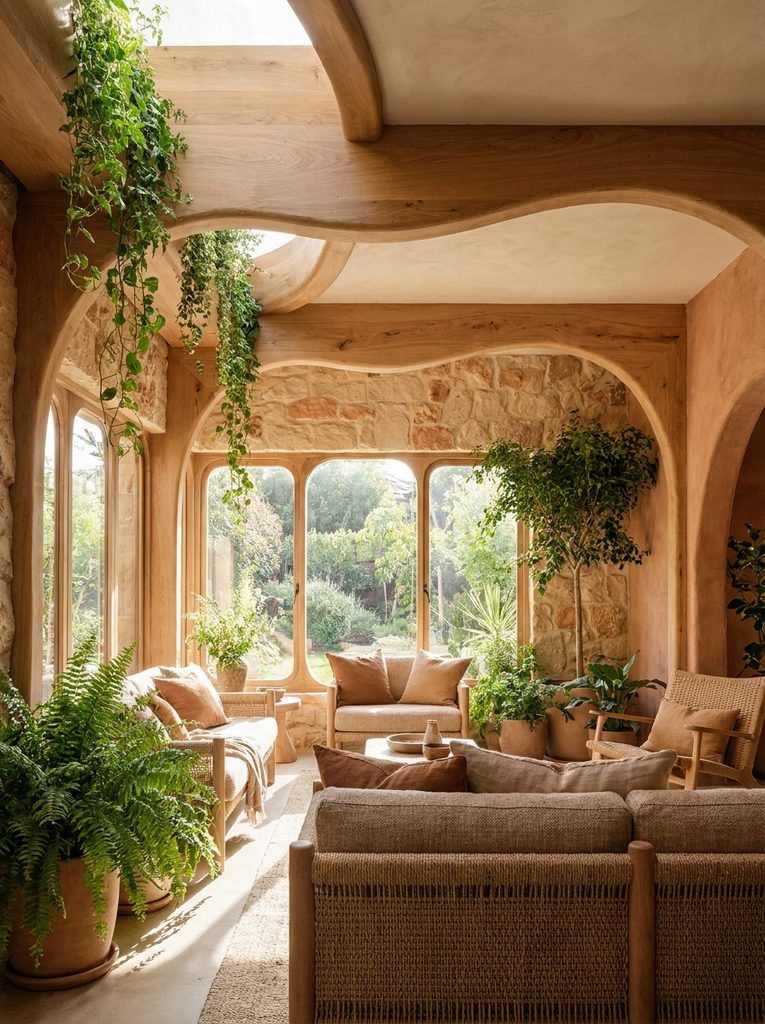
Organic Interior Design vs. Organic Modern vs. Biophilic Design
While these three styles share a love for nature, they have distinct characteristics. To help you define your personal style, here is a quick comparison:
| Design Style | Core Focus | Key Characteristics |
|---|---|---|
| Organic Interior Design | Natural warmth and tactile comfort. | Layered organic textures, earthy tones, curved furniture, raw and natural materials. |
| Organic Modern Interior Design | A blend of nature and contemporary simplicity. | Clean lines, uncluttered spaces, warm minimalist interior aesthetics, sleek natural finishes. |
| Biophilic Interior Design | The biological human connection to nature. | Maximizing natural light, indoor plants, airflow, living walls, and sensory nature experiences. |
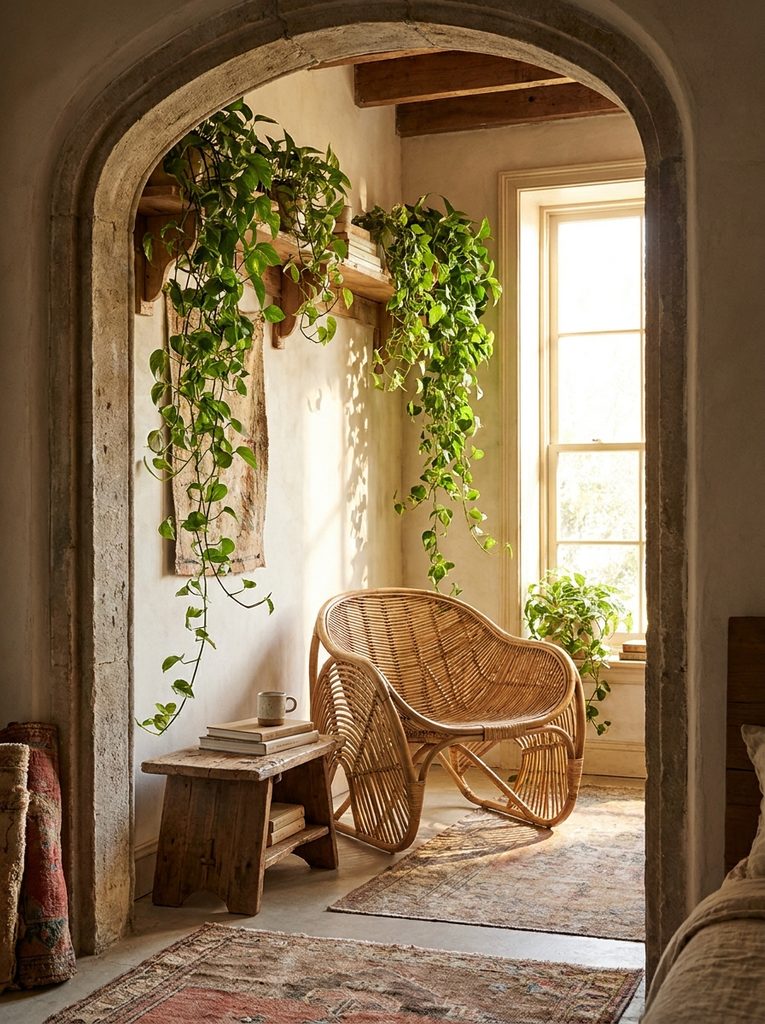
Key Elements of Organic Interior Design
If you want to master this aesthetic, focus on these foundational elements. Organic interior design naturally overlaps with biophilic design, which uses elements such as plants, daylight, and organic forms to create a stronger connection with nature.
- Natural Materials: The backbone of this style includes wood, stone, clay, linen, wool, rattan, cane, bamboo, cork, jute, and unglazed ceramics. These materials ground the space and provide a subtle, sensory experience. The grain of an oak table or the cool touch of a marble countertop connects us physically to the earth.
- Organic Shapes: Swap out sharp, boxy furniture for curved sofas, arched doorways, rounded coffee tables, and sculptural lighting with soft edges.
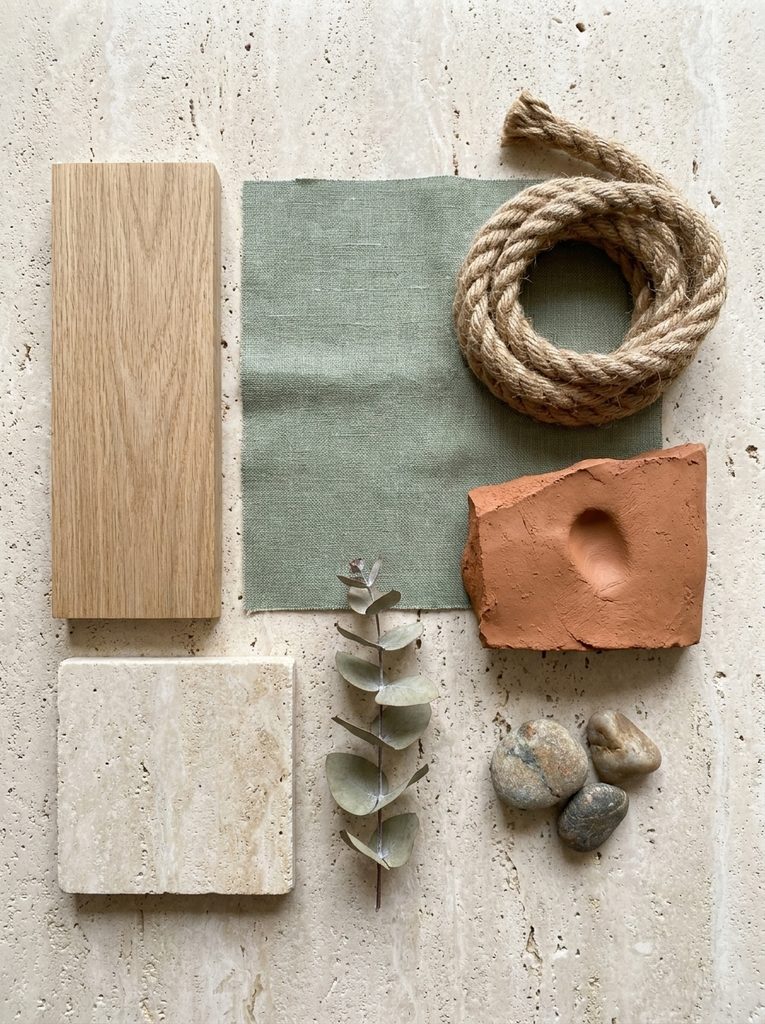
- Earthy Color Palette: Ground your space with warm whites, beige, sand, terracotta, olive, sage, clay, mushroom, warm brown, and muted charcoal.
- Texture Layering: A successful nature-inspired home relies heavily on contrast. Pair smooth, troweled plaster walls with chunky woven rugs, nubby boucle throw pillows, raw wood beams, and handmade pottery. These textured interiors invite touch and keep the eye moving.
- Natural Light and Ventilation: Large, unadorned windows that invite sunlight and fresh air are essential to keeping the space feeling alive.
- Indoor Plants and Natural Home Decor: Greenery breathes life into a room, while natural home decor and nature-inspired artwork (like landscape photography or botanical prints) reinforce the theme.
- Eco-Friendly Choices: Prioritize sustainable interior design by selecting non-toxic home materials and pieces built to last.
How to Create an Organic Interior Design Style Room by Room
Transforming your space doesn’t have to happen all at once. Here is how to apply these principles to every corner of your home:
Living Room
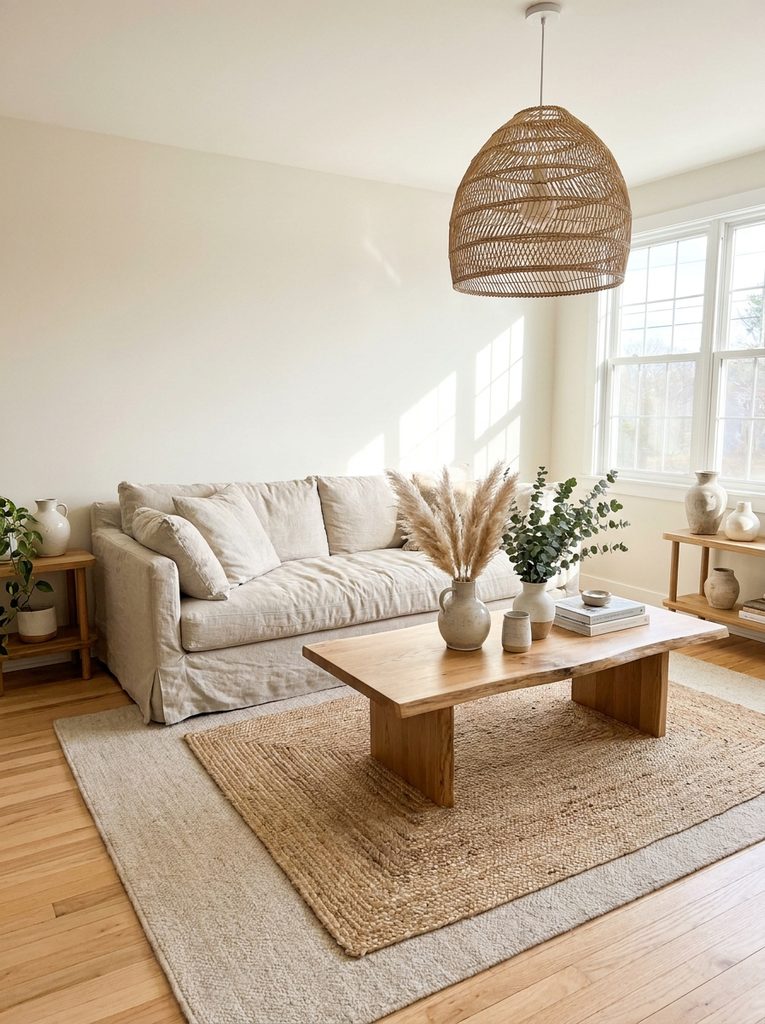
Anchor the space with a slipcovered linen sofa in oatmeal or sand—perfect for busy US households because the covers can often be washed. Add an oak or live-edge coffee table, layer a jute rug over a larger wool area rug for depth, and hang woven rattan pendant lighting. Add a few ceramic vases filled with dried pampas grass or fresh eucalyptus.
Bedroom
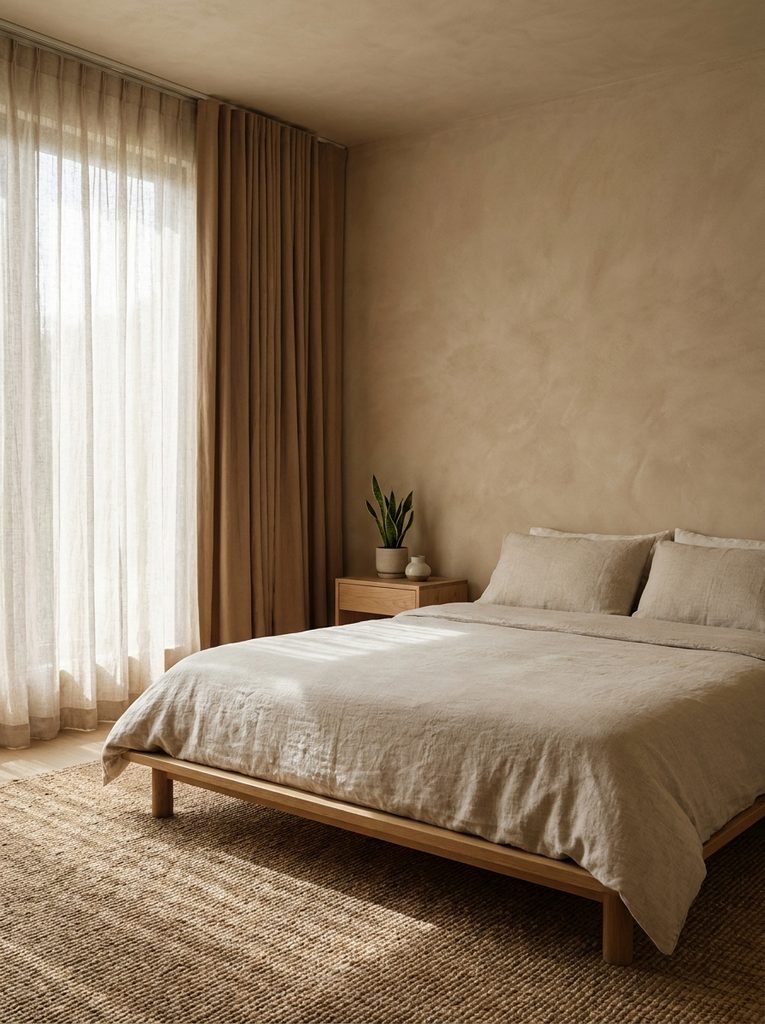
The bedroom is the ultimate space for calming home design. Opt for breathable linen or organic cotton bedding, a low-profile wooden bed frame, and blackout curtains that still allow soft natural light to filter through. Keep nightstands clutter-free and add a small indoor plant like a snake plant to purify the air.
Kitchen
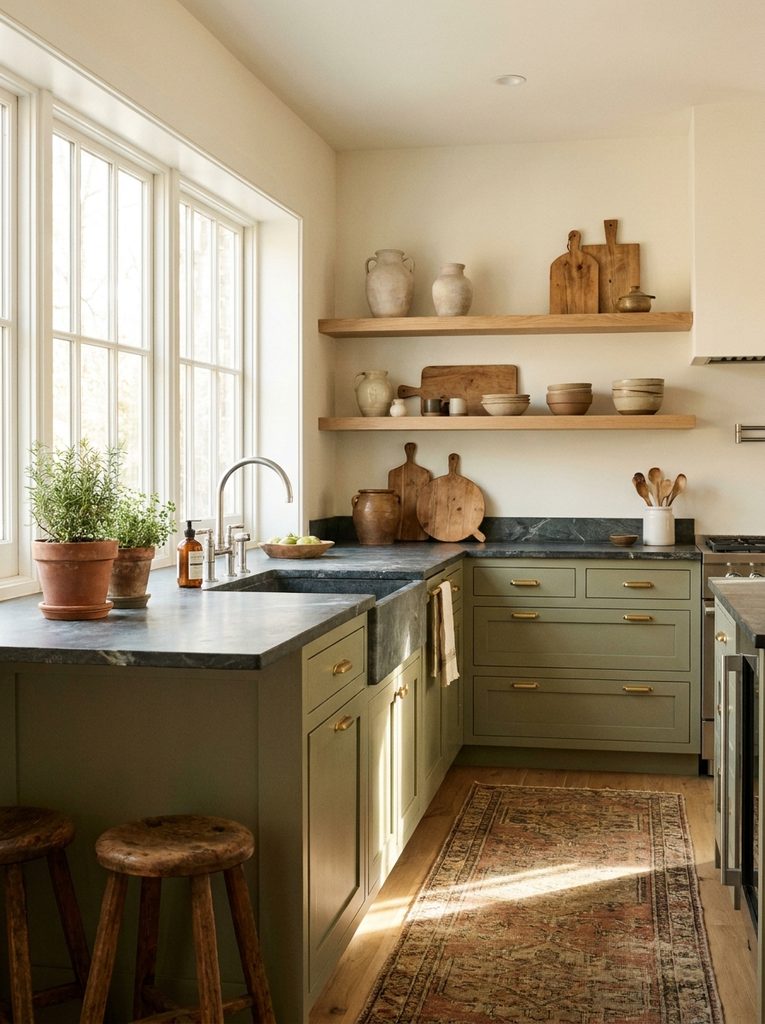
Incorporate stone accents, like a honed marble or soapstone countertop that develops a beautiful patina over time. Use open wooden shelving to display unglazed ceramic vases, wooden cutting boards, and earth-toned stoneware. Stick to warm minimalist interior cabinet colors like sage green, warm taupe, or soft cream, paired with unlacquered brass hardware that ages beautifully.
Bathroom
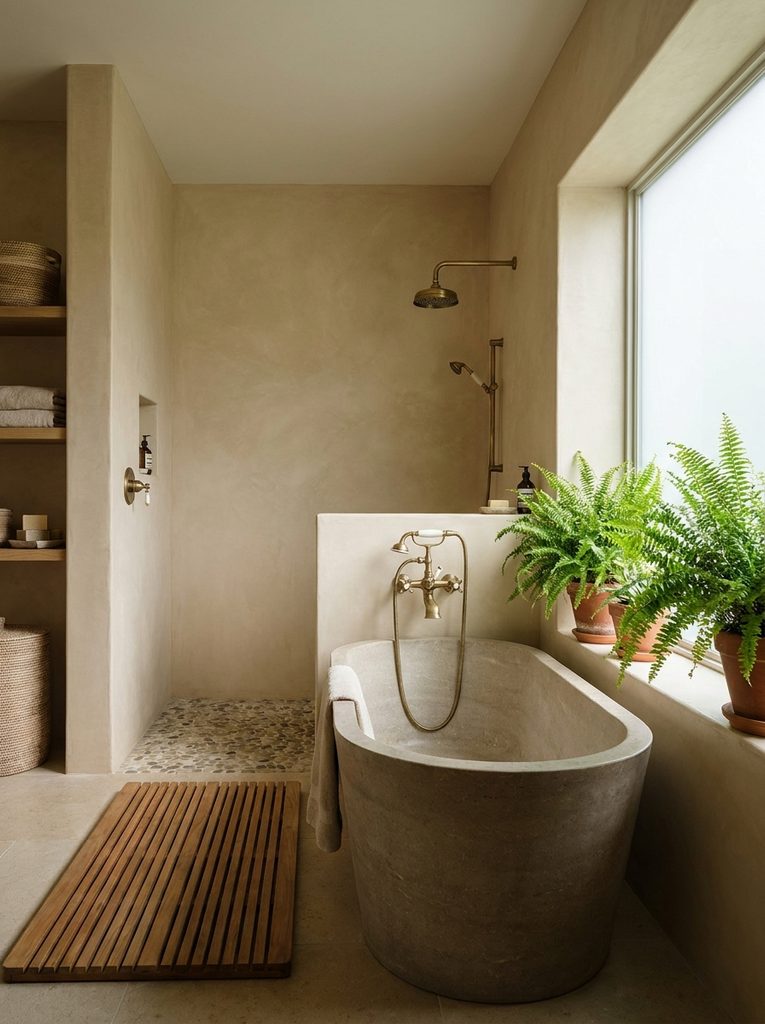
Bring the spa home with tadelakt (waterproof lime plaster) walls or a limewash paint finish. Use a teak bath mat, pebble stone shower floors, and matte black or unlacquered brass fixtures. Add low-maintenance indoor plants like Boston ferns or pothos that thrive in the high humidity of a typical US bathroom.
Entryway
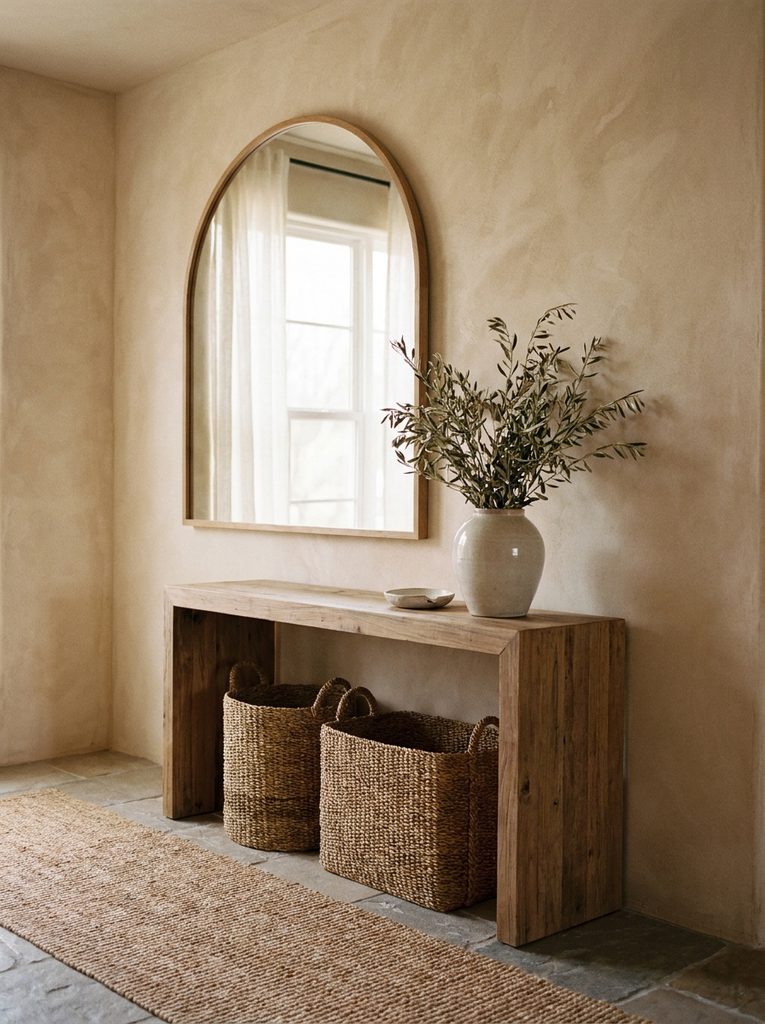
First impressions matter. Place a sleek wooden console table, a large curved mirror to reflect natural light, and a few woven baskets for practical, stylish storage of shoes and scarves.
Home Office
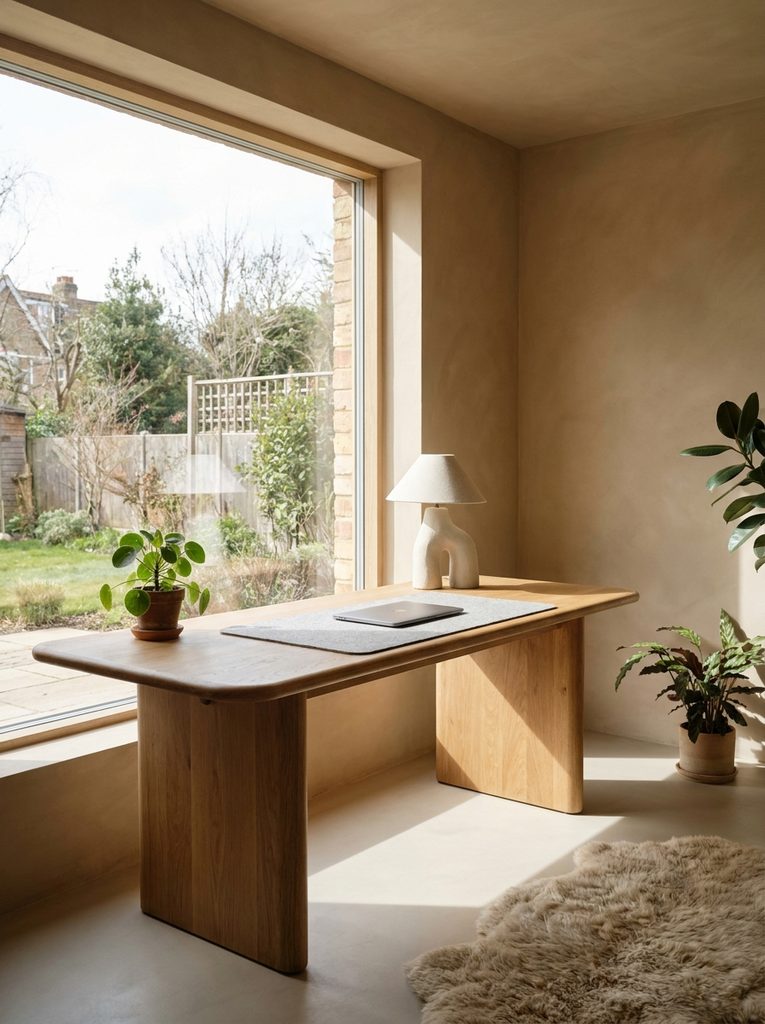
With remote work being so prevalent, your office needs to be a focus-enhancing sanctuary. Choose sustainable furniture, like a solid wood desk with rounded edges, and position it near a window to maximize natural light. Add a wool desk pad and a task lamp with an organic, sculptural shape.
Organic Interior Design Color Palette Ideas
Choosing the right colors is crucial for achieving that grounded, earthy feel. Here are a few palettes to try:
- Warm Neutral: Cream, oatmeal, light oak, and soft clay. This palette is incredibly versatile and acts as a blank canvas for textured interiors.
- Earthy Green: Sage, olive, warm sand, and dark walnut. Perfect for bringing a lush, forest-like tranquility into your home.
- Coastal Organic: Off-white, weathered driftwood, pale sea glass, and airy linen. Ideal for homes near the water or those wanting a breezy, relaxed vibe.
- Warm Terracotta: Baked clay, rust, caramel, and rich cream. This deeply comforting palette adds warmth and sunset-inspired richness to any room.
Budget-Friendly Ways to Get the Look
You do not need a massive renovation budget to achieve a beautiful nature-inspired home. Here are realistic, affordable upgrades:
- Swap Textiles: Ditch synthetic polyester curtains and throw pillows in favor of cotton, linen, or wool.
- Add Greenery: Thrift unique ceramic pots and fill them with resilient indoor plants.
- Use Woven Baskets: These are inexpensive, highly functional, and instantly add organic textures to shelves and floors.
- Paint in Warm Neutrals: A fresh coat of warm white or beige paint can completely transform a sterile room into a cozy retreat.
- Shop Secondhand: Look for solid wood furniture at local thrift stores, estate sales, or Facebook Marketplace. US homeowners can often find incredible mid-century or vintage solid wood dressers and tables for a fraction of the cost of new retail. A little light sanding and a coat of natural oil or beeswax can make a vintage piece look brand new.
- Layer Throws: Drape a chunky knit or raw linen throw over your existing sofa to instantly introduce tactile warmth.
Sustainable and Healthy Material Choices
True organic interior design goes beyond aesthetics; it is deeply rooted in eco-friendly home design. When shopping, look for FSC-certified wood to ensure responsible forestry practices. Choose low-VOC or zero-VOC paints to maintain excellent indoor air quality, which is a crucial aspect of non-toxic home materials. Opt for natural fiber rugs made of jute, wool, or sisal instead of synthetic nylon. Invest in durable, sustainable furniture that will last for decades, rather than participating in the cycle of fast-fashion decor that ends up in landfills.
Common Mistakes to Avoid
As you embrace this style, watch out for these common pitfalls:
- Too Many Competing Textures: While textured interiors are key, layering too many heavy patterns and rough fabrics can make a room feel chaotic and cluttered. Balance rough with smooth.
- The “Beige Trap”: Relying solely on beige can make a space feel flat and boring. Use contrasting earthy tones, like deep olive or terracotta, to add depth.
- Overloading on Plants: While indoor plants are vital, turning your home into an unmanageable jungle can feel overwhelming. Choose a few statement plants rather than dozens of high-maintenance varieties.
- Confusing it with Farmhouse: Organic design is more modern and globally inspired than rustic farmhouse. Avoid overly distressed woods, barn doors, and kitschy signs.
- Fake “Natural” Materials: Avoid luxury vinyl or laminates that mimic wood or stone but do not age gracefully. Whenever possible, choose the real material.
- Ignoring Lighting Temperature: Natural light is crucial, but artificial lighting matters just as much when the sun goes down. Avoid cool, blue-toned LED bulbs, which can make earthy tones look gray and sterile. Opt for warm white bulbs (2700K to 3000K) to enhance the warmth of your organic textures and wood grains.
Frequently Asked Questions
What is organic interior design?
It is a design philosophy that emphasizes the use of natural materials, earthy color palettes, organic shapes, and a strong visual and physical connection to the natural world.
Is organic interior design the same as organic modern?
Not exactly. While they share many elements, organic modern interior design specifically blends these natural elements with clean, contemporary lines and a minimalist approach, whereas pure organic design can be a bit more layered and traditional in its forms.
What colors work best for organic interiors?
The best colors are pulled directly from nature: warm whites, creams, sages, olives, terracottas, taupes, and warm browns.
How do I make my home look organic on a budget?
Start by swapping out synthetic textiles for natural fibers like linen and cotton, introducing low-maintenance indoor plants, and using secondhand solid wood furniture. Paint is also an inexpensive way to introduce an earthy color palette.
What materials should I use?
Focus on wood, stone, clay, linen, wool, rattan, cane, bamboo, cork, and jute.
Is organic interior design good for small spaces?
Yes! Using natural light, light earthy tones, and multifunctional sustainable furniture can actually make a small space feel airy, open, and deeply calming.
Conclusion
Creating a sanctuary that reflects the beauty of the natural world is one of the most rewarding investments you can make in your living space. By embracing organic interior design, you are choosing a lifestyle that values comfort, sustainability, and timeless beauty over fleeting trends. You do not have to overhaul your entire house overnight. Start with one room, introduce one natural material, or test an earthy color palette on a single accent wall. As you gradually build your nature-inspired home, you will cultivate a peaceful, grounding environment that nurtures your well-being every single day.
