
Walk into a memorable home and you can usually name its personality in seconds: relaxed coastal, crisp Scandinavian, collected eclectic. That personality comes from choosing—and blending—interior design styles with intention. These styles are more than labels; they’re shorthand for the colors, materials, furniture, and layouts that make a room feel calm, cozy, dramatic, or sunlit.
The good news? Nobody expects you to commit to one look. Most stylish home interiors borrow from several aesthetics, combining the pieces that fit your personality, your lifestyle, and your practical needs. A rental apartment, a starter house, and a forever home all deserve rooms that work hard and feel like you.
This guide walks through 35 popular interior design styles, from modern and minimalist looks to traditional, rustic, coastal, global, vintage, and eclectic approaches. For each, you’ll find defining features, typical colors and materials, and a practical tip you can use this weekend. Then we’ll cover how to choose, mix, and apply styles room by room.
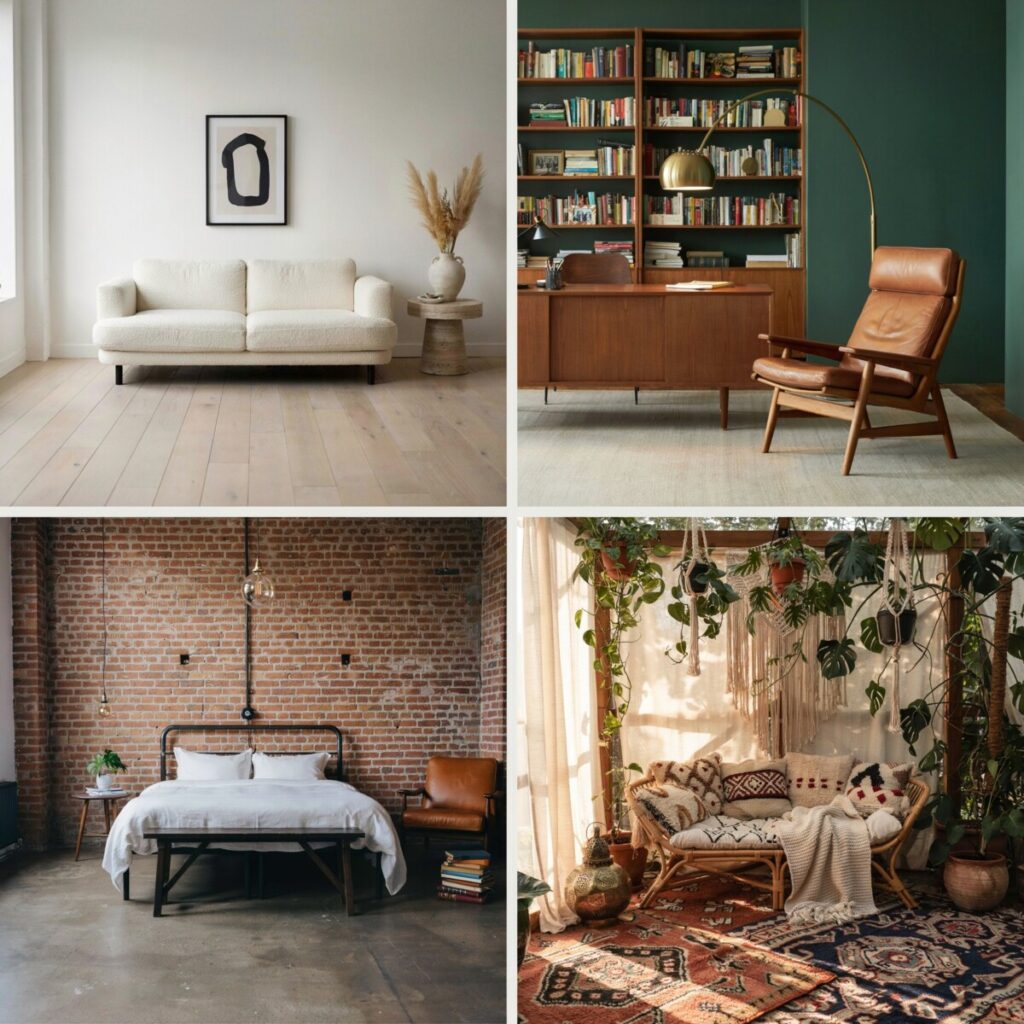
1. Modern Interior Design
Rooted in early-to-mid-20th-century design movements, modern interior design favors clean lines, practical layouts, and restrained decoration. Think streamlined furniture, a neutral color palette, and honest materials like glass, steel, and natural wood. The mood is orderly and calm, yet it should never feel sterile. Warmth comes from wool rugs, linen upholstery, and visible wood grain. Modern rooms suit open-concept layouts and city apartments alike. Tip: Pair a low-profile sofa with a walnut coffee table and one sculptural floor lamp so the space reads welcoming, not clinical.
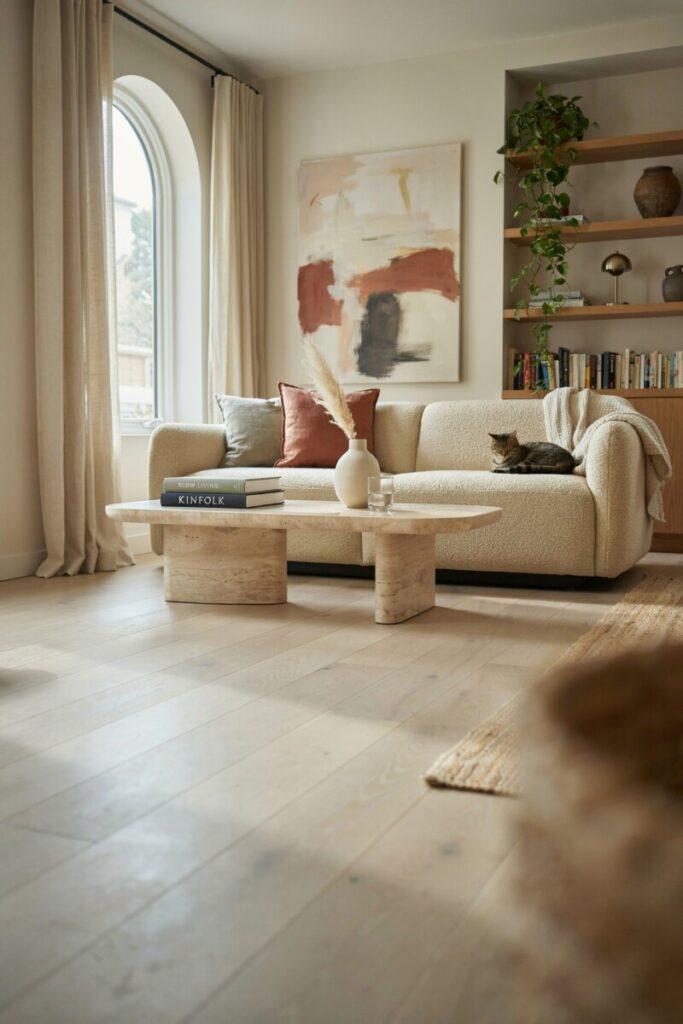
2. Contemporary Interior Design
Contemporary design reflects what feels current right now, which means it evolves over time. Today’s version leans into curved furniture, flexible layouts, mixed materials, and a refined palette of warm neutrals punctuated by black or deep green accents. Updated lighting—sculptural pendants, slim floor lamps—matters as much as the furniture itself. This style suits readers who want a fresh, polished look without committing to a historic period. Tip: Invest in quality foundational pieces and express shifting interior design trends through easy swaps like pillows, art, and lighting.
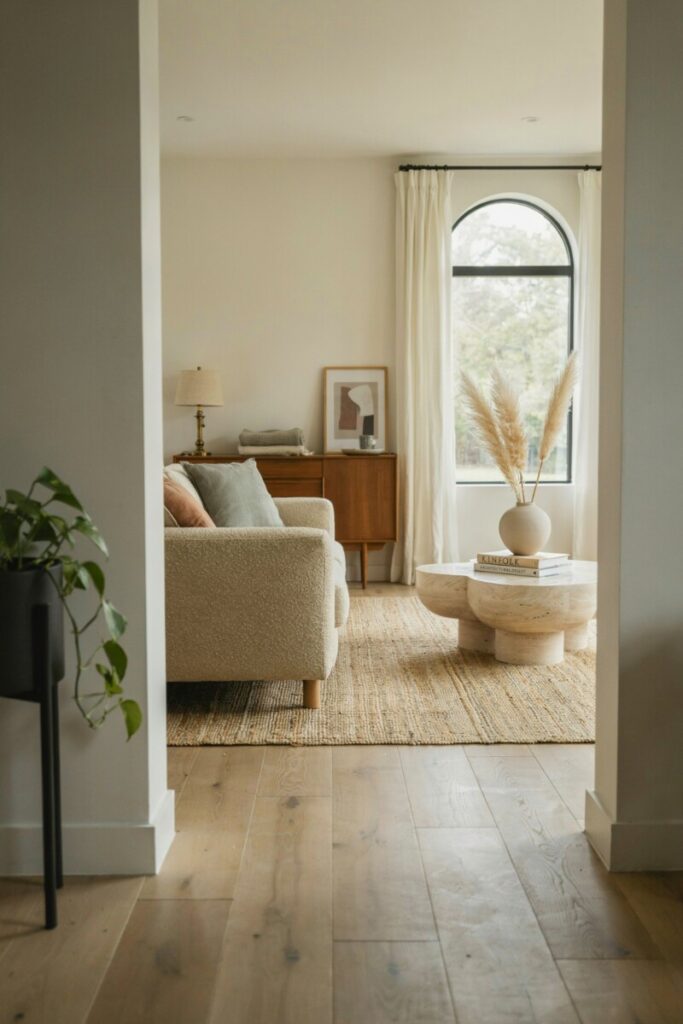
3. Minimalist Interior Design
Minimalism is about intention, not emptiness. Rooms hold only furniture and objects that serve a purpose or bring genuine joy, set in a limited palette of white, gray, and soft neutrals. Functional storage hides clutter, and negative space lets the eye rest. To keep minimalism comfortable rather than sparse, layer texture: a chunky knit throw, an oak bench, a single ceramic vase. It shines in small space decorating and in busy households craving calm. Tip: Choose multifunctional furniture so every piece earns its footprint.
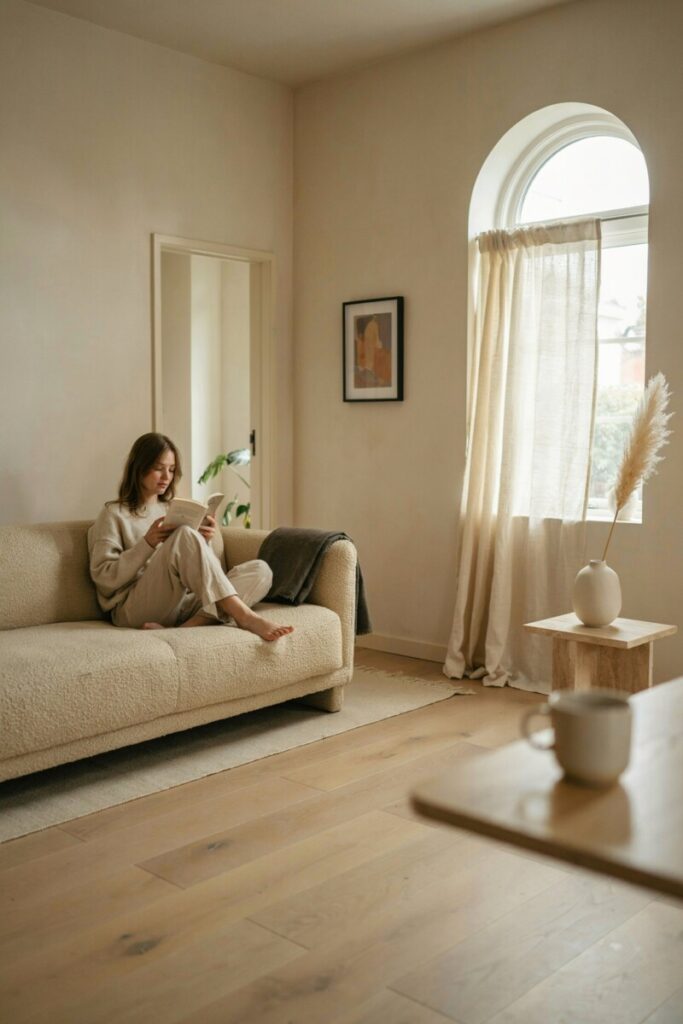
4. Scandinavian Interior Design
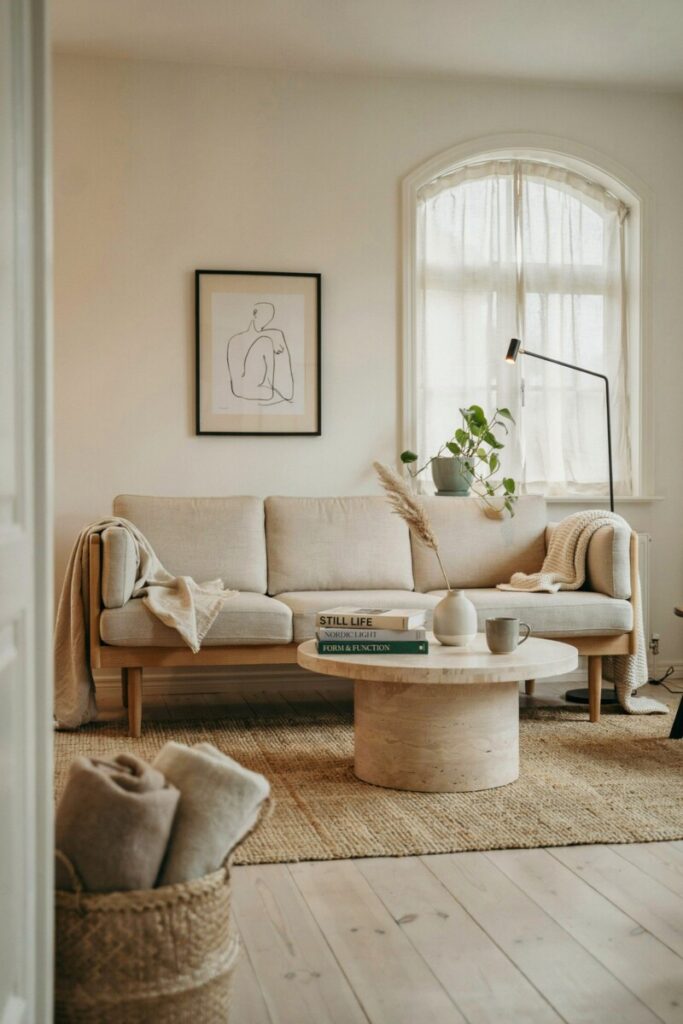
Scandinavian design pairs light, airy color with natural wood and simple, functional furniture. Cozy textiles—wool throws, layered rugs, washed linen—soften the practical layouts, reflecting the Nordic emphasis on everyday comfort. The palette favors warm white, pale gray, and honey-toned wood. Because light colors and uncluttered surfaces visually expand a room, this approach works especially well in apartments and smaller US homes. Tip: Keep walls bright, add light wood furniture, then layer linen and wool so the space feels cozy, not austere.
5. Japandi Interior Design
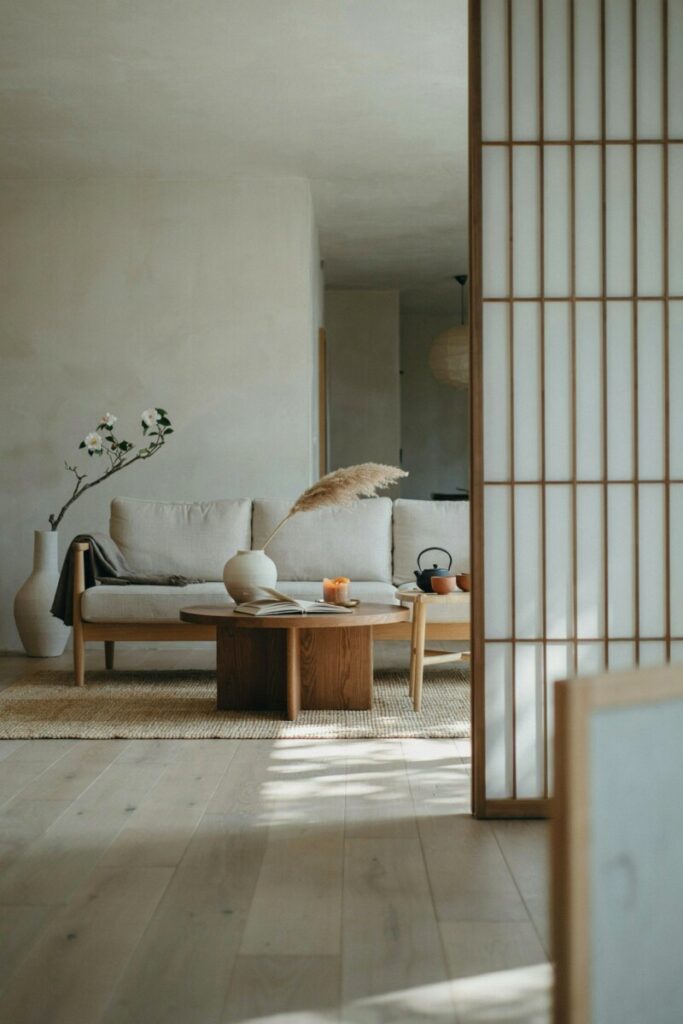
Japandi merges Japanese restraint with Scandinavian warmth, producing calm, uncluttered rooms grounded in natural materials. Expect low-profile furniture, organic shapes, and a neutral palette of oatmeal, taupe, and charcoal. Surfaces stay clear, and craftsmanship matters more than quantity, so every object feels deliberate. The atmosphere is serene—ideal for bedrooms, living rooms, and any home where unwinding is the priority. Try this: Combine a low oak bed or sofa with handcrafted ceramics and a single branch in a stoneware vase for quiet, organic interest.
6. Mid-Century Modern Interior Design
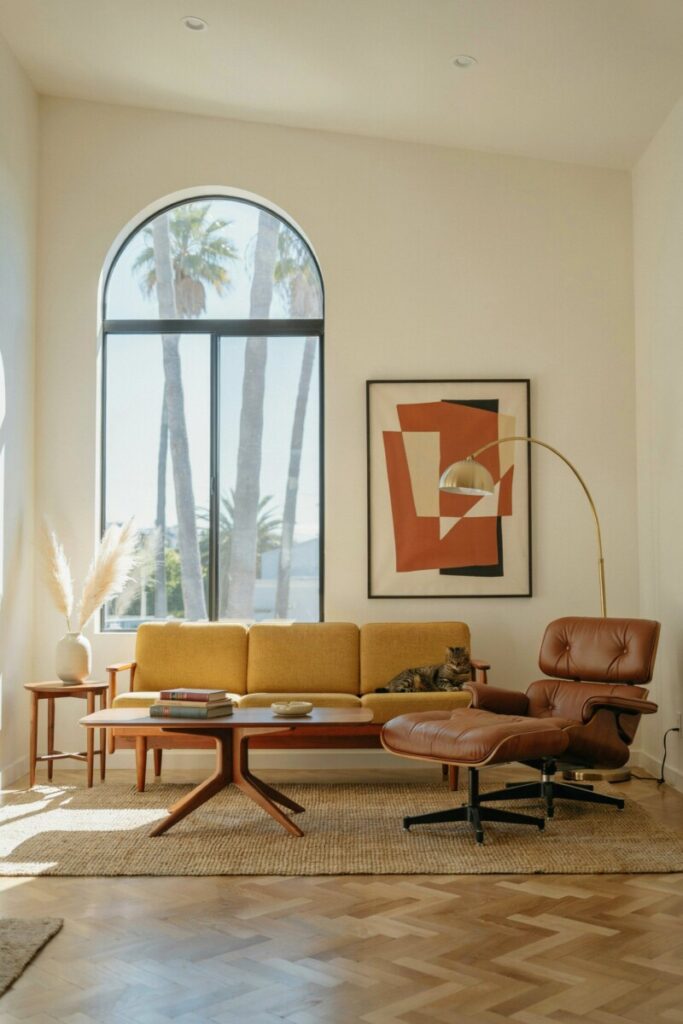
Mid-century modern celebrates the functional furniture and organic shapes of the 1950s and ’60s: tapered legs, walnut and teak tones, geometric patterns, and iconic-inspired lighting like arc lamps and sputnik pendants. Open layouts keep rooms feeling airy. To avoid a time-capsule effect, mix vintage-inspired pieces with current textiles and contemporary art. The style shines in living rooms, home offices, and ranch-style American homes. Tip: Anchor the room with one credible credenza or sideboard, then keep everything else lighter and more current.
7. Industrial Interior Design
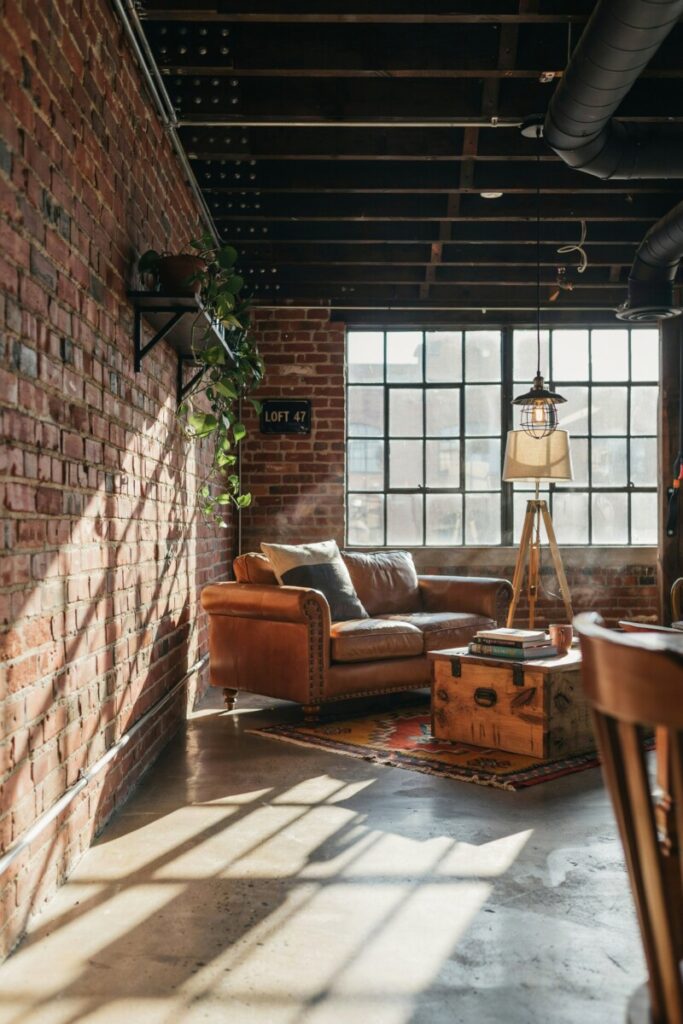
Industrial design borrows from old factories and warehouses: exposed brick, concrete flooring, metal frames, reclaimed wood, and utilitarian details like pipe shelving and factory-style pendant lights. Open layouts and tall ceilings amplify the raw, urban mood. Soften the edge with plush area rugs, comfortable leather-and-linen seating, and plenty of indoor plants so the space feels lived-in rather than cold. It’s a natural fit for lofts, urban apartments, and basement renovations. Tip: Balance each metal or concrete surface with one warm textile or wood element.
8. Traditional Interior Design
Traditional interiors draw on 18th- and 19th-century European precedents: symmetry, classic furniture silhouettes, rich wood tones, and elegant fabrics like damask and toile. Patterned area rugs, wingback chairs, and timeless accessories create a composed, welcoming mood. Among classic interior design styles, this one feels most approachable in modern American homes when rooms stay comfortable rather than formal. Tip: Honor your architecture with balanced furniture arrangement and molding, but choose durable performance fabrics so the room handles real family life.
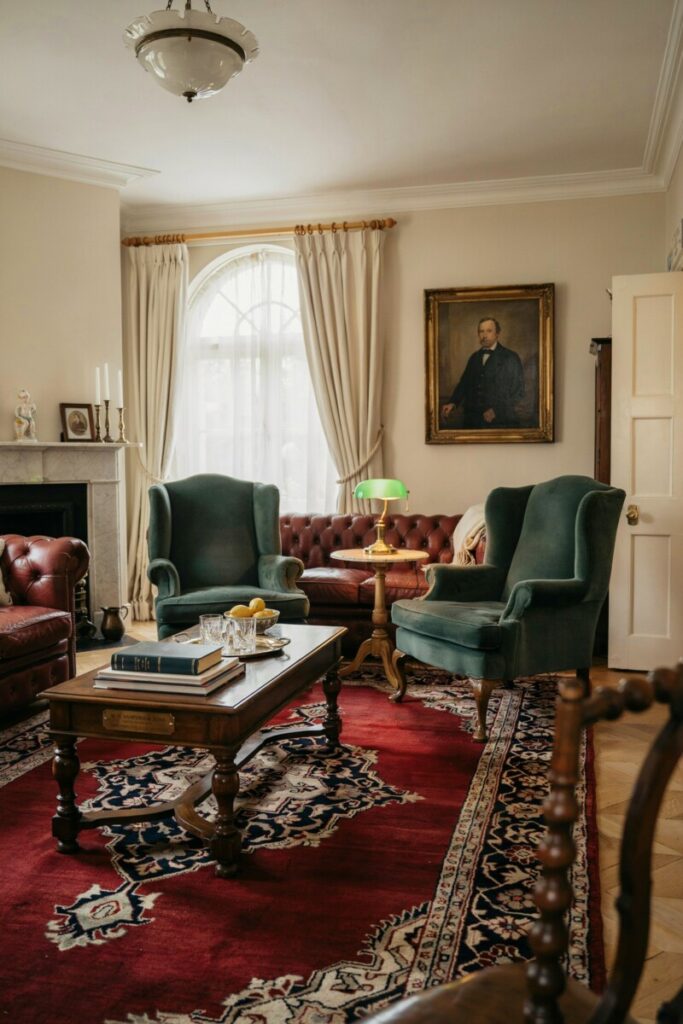
9. Modern Traditional Interior Design
Modern traditional keeps a home’s classic bones—molding, wainscoting, graceful proportions—while editing out the formality. Cleaner-lined seating, simpler color schemes, updated lighting, and less fussy styling make inherited architecture feel current. The mood is familiar yet fresh, like a favorite recipe with a lighter hand. It suits older suburban houses, colonials, and historic homes whose owners want character without stuffiness. Tip: Paint walls and trim one warm white, then let a mix of antique and streamlined pieces share each room.
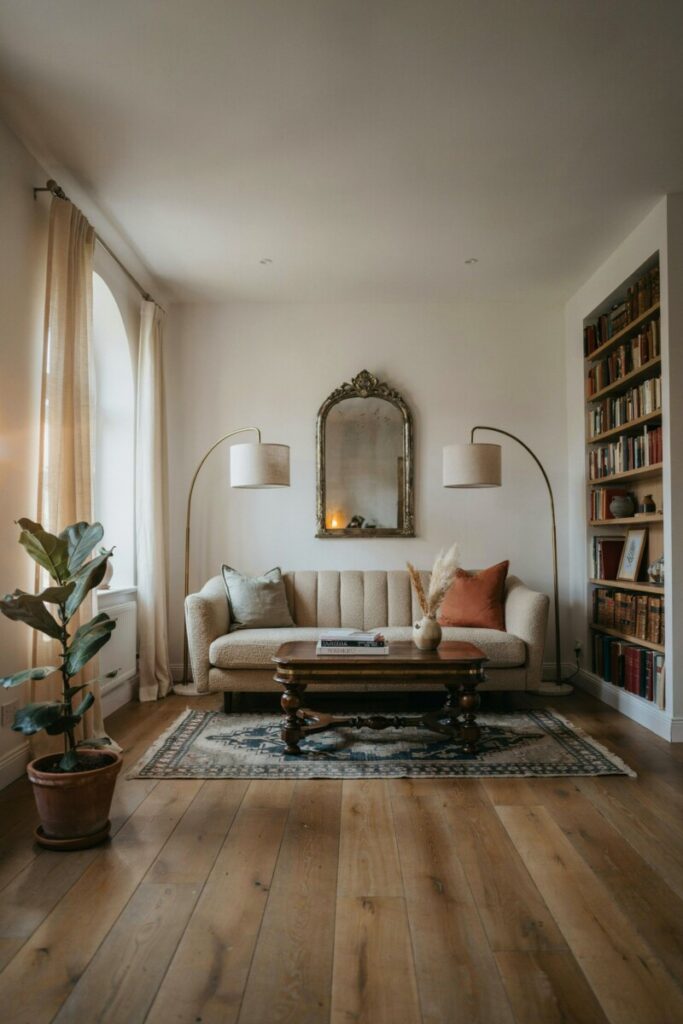
10. Transitional Interior Design
Transitional design splits the difference between traditional elegance and modern simplicity. Neutral colors, comfortable upholstered furniture, balanced decoration, and mixed finishes—aged brass alongside brushed nickel, perhaps—create rooms that feel both classic and current. Because it avoids extremes, the style offers long-term versatility and broad resale appeal, making it a favorite of residential interior design professionals. It works in nearly any American home, new or old. Tip: Choose traditional shapes in modern fabrics, like a rolled-arm sofa in crisp linen.
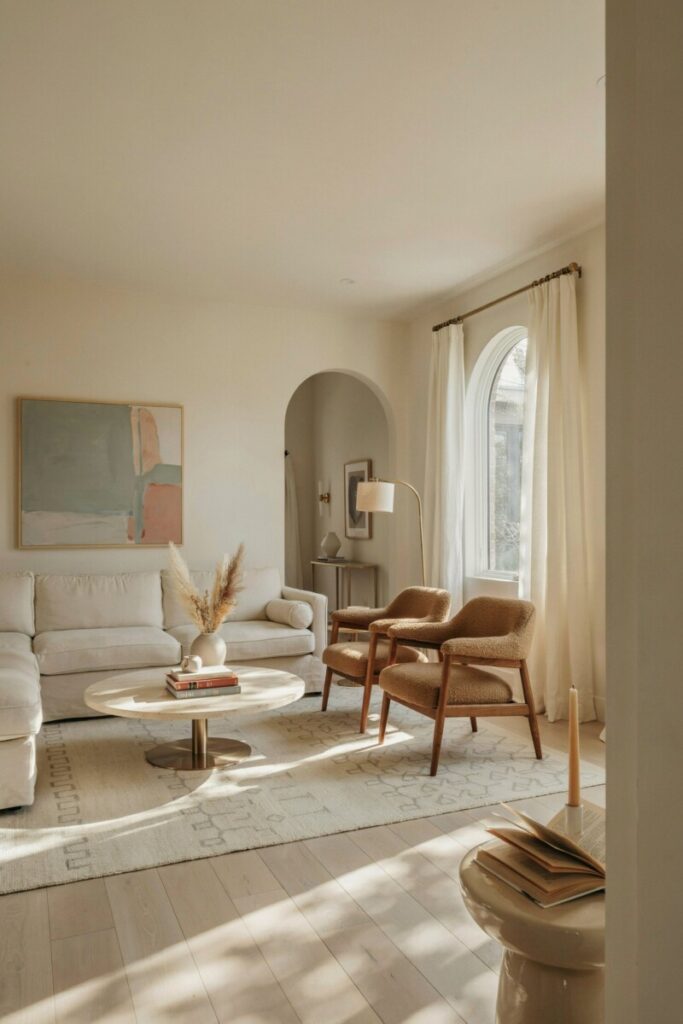
11. Farmhouse Interior Design
Farmhouse design prioritizes practical furniture, natural wood, comfortable textiles, and simple patterns like checks and ticking stripe. Vintage-inspired accessories—stoneware, woven baskets, a well-worn bench—build a relaxed, lived-in mood. Tasteful farmhouse skips excessive signage, heavy distressing, and themed decor in favor of honest materials and genuine comfort. It suits family rooms, kitchens, and porches across the country. Tip: Focus on sturdy, comfortable pieces and a few authentic vintage finds instead of mass-produced “farmhouse” labels.
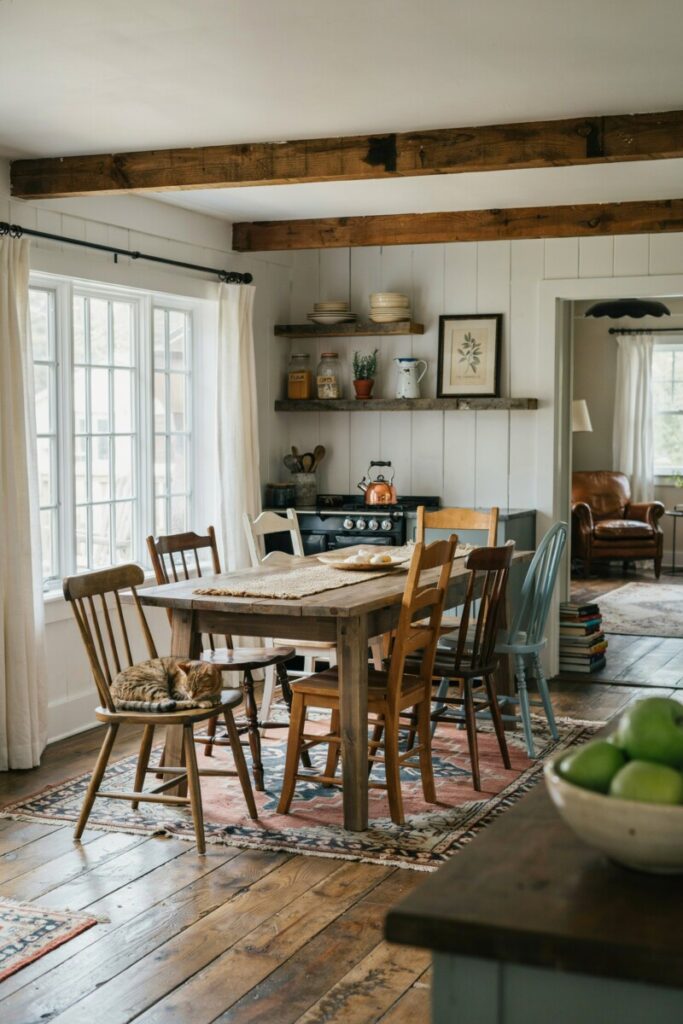
12. Modern Farmhouse Interior Design
Modern farmhouse pairs that warmth with cleaner, more current lines: shaker cabinetry, a neutral palette, black accents in hardware and window frames, and natural textures like jute, linen, and oak. Kitchens tend to be open and highly functional, with generous sinks and open shelving used sparingly. The mood is bright, comfortable, and unfussy—popular in suburban new builds and refreshed older homes. Tip: Keep the shell neutral and let texture, not signage or clutter, carry the warmth.
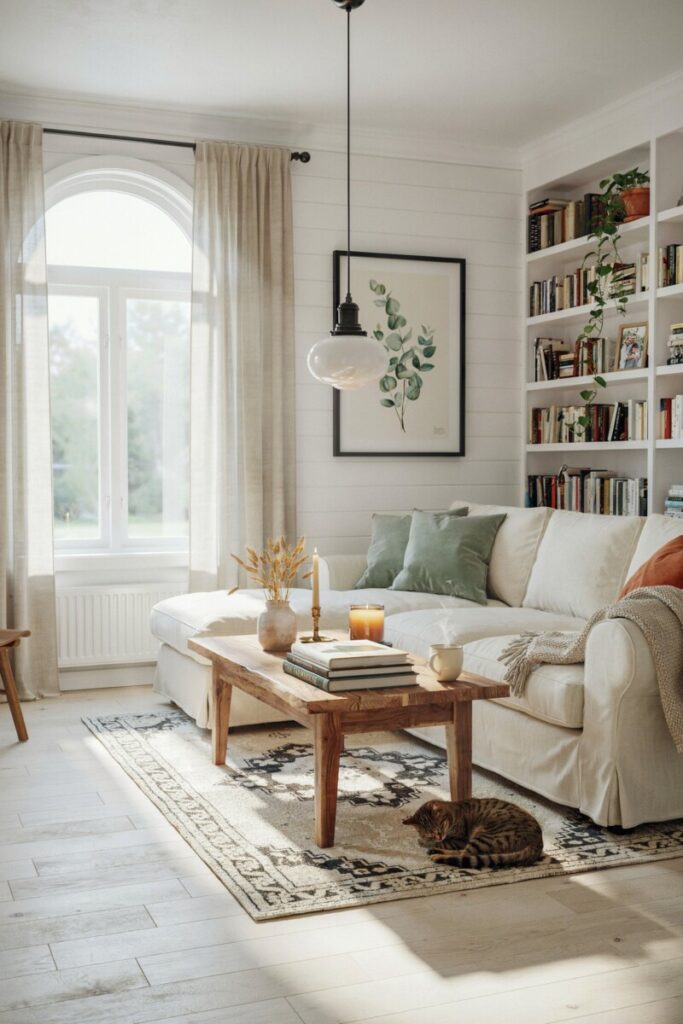
13. Rustic Interior Design
Rustic design celebrates raw, natural materials: reclaimed wood, stone, leather, wool, and exposed beams, with handcrafted details and earthy colors like brown, moss, and rust. The mood is grounded, cozy, and connected to nature. While it shines in cabins and rural homes, suburban houses can borrow it selectively—a stone fireplace surround, a beam mantel, a live-edge coffee table. Tip: Introduce rustic character through one or two substantial natural elements rather than covering every wall in barnwood.
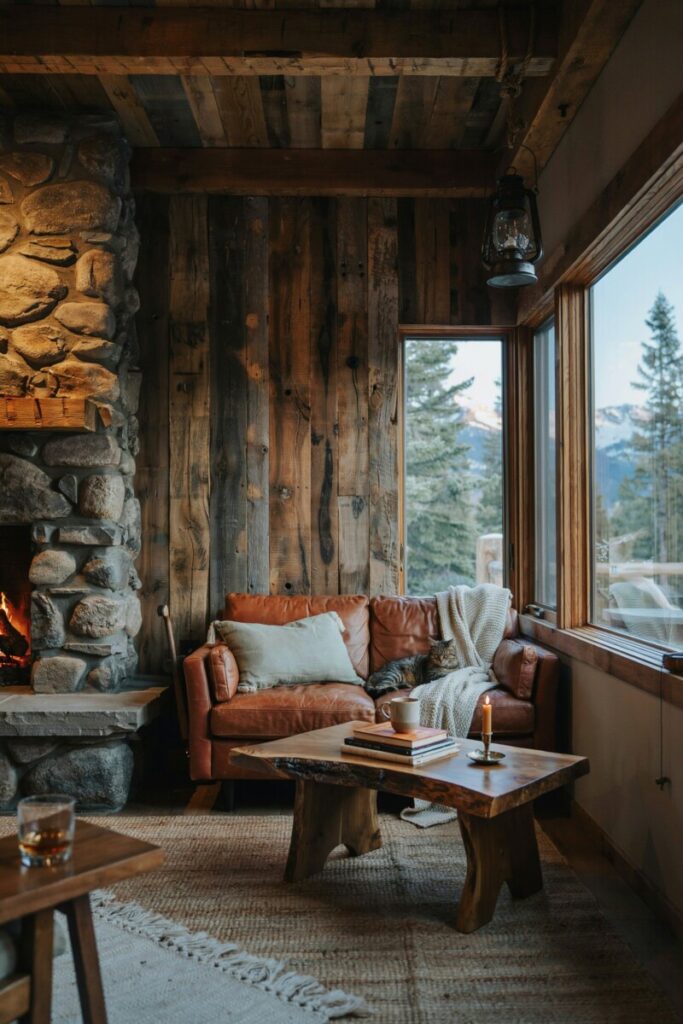
14. Rustic Modern Interior Design
Rustic modern sets rough against refined: weathered wood and stone paired with modern furniture, simple layouts, contemporary lighting, and restrained decoration. A sleek sectional facing a floor-to-ceiling stone fireplace captures the contrast perfectly. The mood is warm, calm, and quietly dramatic. The style suits mountain homes, lake houses, and any residence with strong natural materials. Tip: Hold the palette neutral so the textural contrast between rugged surfaces and clean-lined furniture becomes the star.
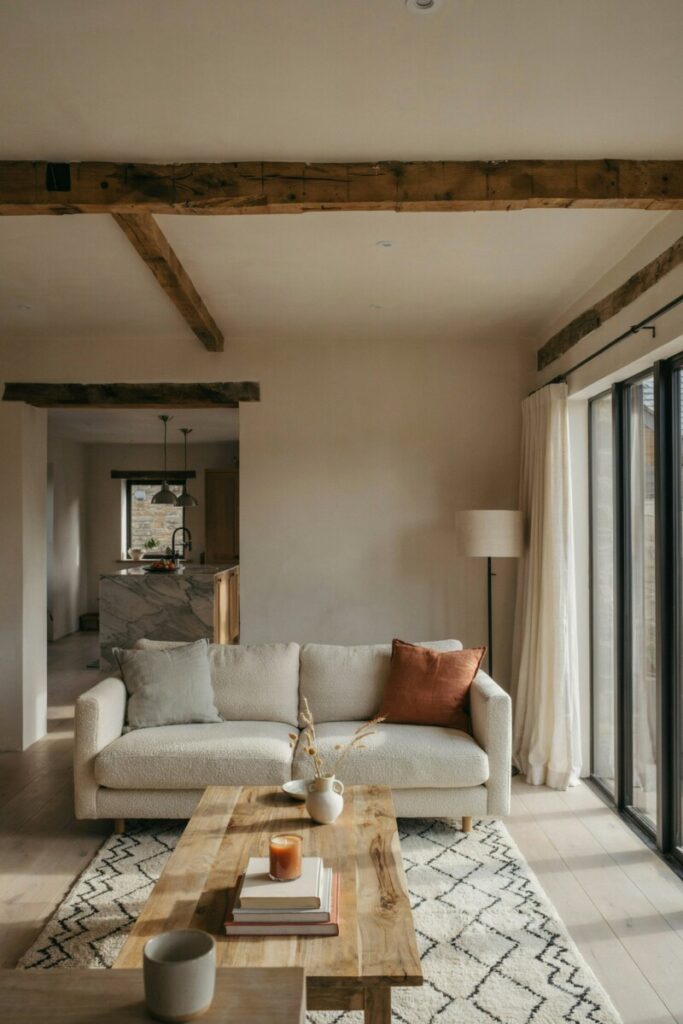
15. Coastal Interior Design
Coastal design evokes the shore without literal seashells everywhere: light colors, airy layouts, linen upholstery, rattan and woven materials, and subtle blue accents over sandy neutrals. Furniture is relaxed and comfortable, often slipcovered for easy living. Done well, the room feels breezy rather than themed. Coastal works in beach houses and inland homes alike, especially in sun-drenched rooms. Tip: Layer white and natural fibers, add one or two sea-glass blues, and skip overt nautical decor.
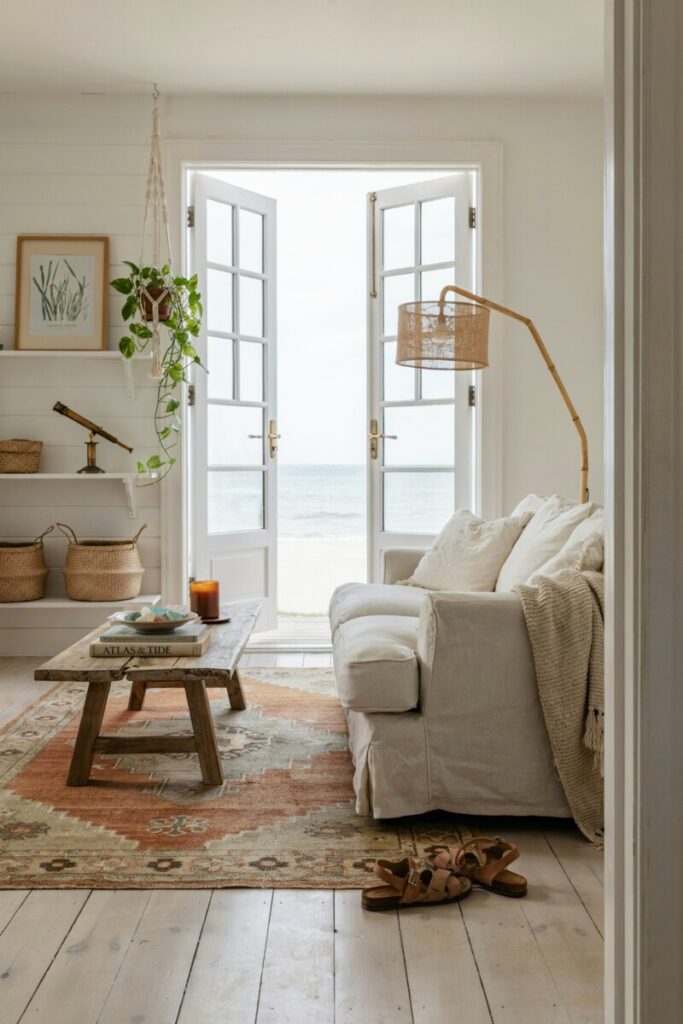
16. Mediterranean Interior Design
Mediterranean interiors borrow warmth from Spanish, Italian, and Greek homes—related but distinct influences—united by sunbaked color, textured plaster walls, natural stone, terracotta, arched forms, wrought iron, and decorative tile. The mood is relaxed, hospitable, and oriented toward indoor-outdoor living. The style suits warmer US regions like California, Florida, and the Southwest, though accents travel anywhere. Tip: Suggest the look without renovating by adding terracotta pots, limewash paint, and iron light fixtures.
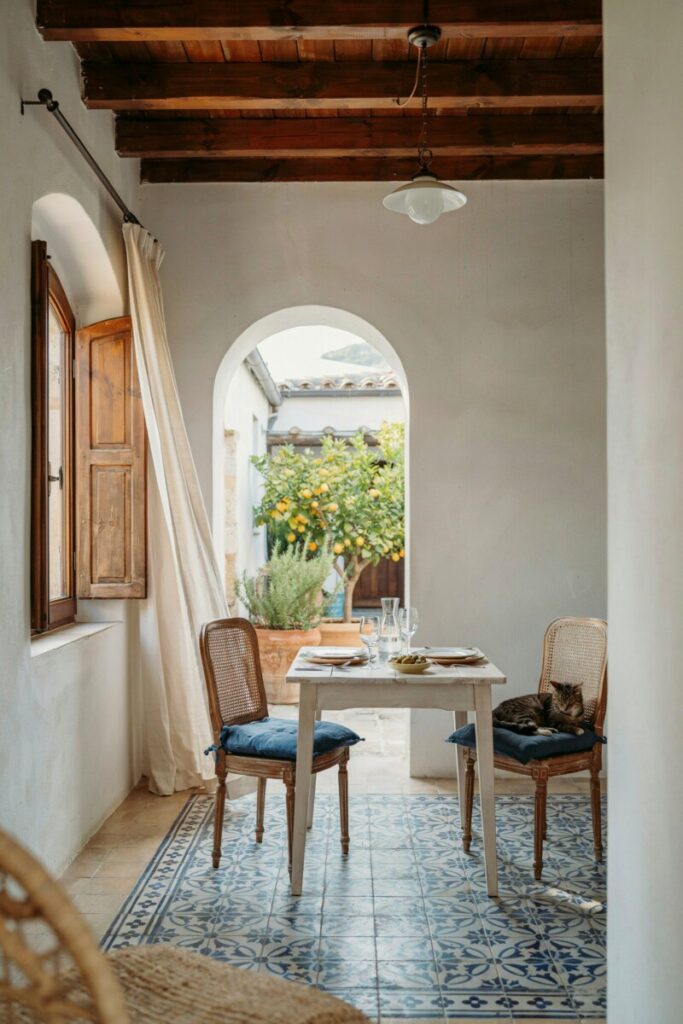
17. California Casual Interior Design
California casual is relaxed elegance: easy indoor-outdoor flow, abundant natural light, natural materials, and comfortable furniture in neutral colors warmed by honey-toned wood. Rooms feel unforced, layering textures like linen, leather, and woven fibers instead of formal decoration. It’s ideal for homes with patios, gardens, or generous windows—though the attitude translates anywhere. Tip: Blur the inside-outside line with consistent tones, potted olive or fig trees, and seating that invites lounging.
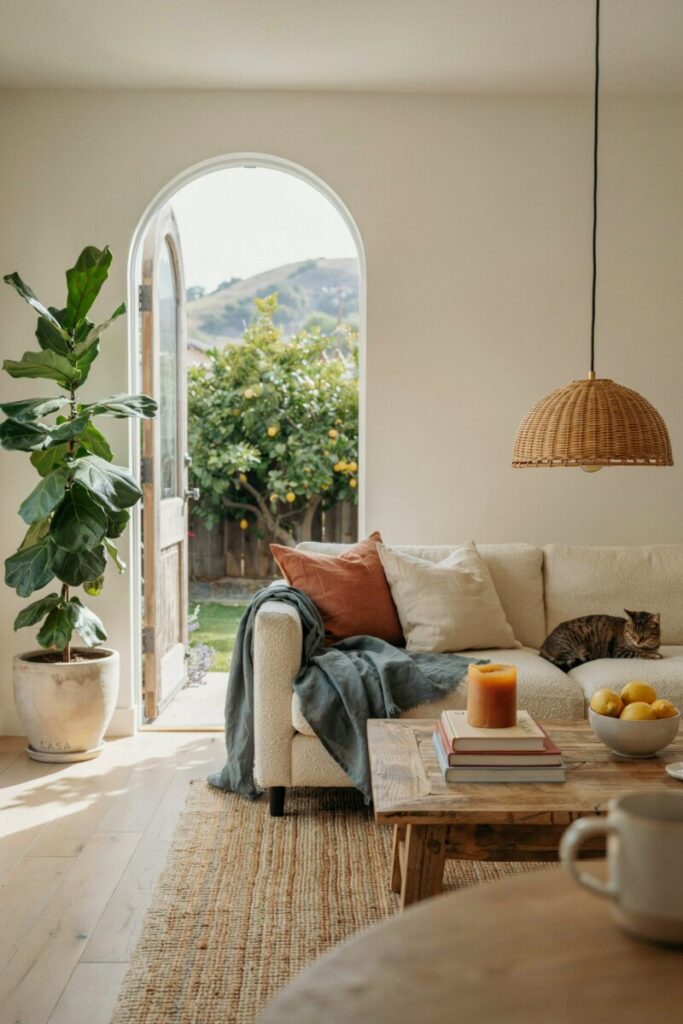
18. Bohemian Interior Design
Bohemian design is free-spirited and personal: layered textiles, global-inspired patterns, trailing plants, vintage furniture, and handmade accessories in varied, saturated color. Arrangements feel relaxed—floor cushions, gallery walls, collected objects. The secret is intentional layering, so rooms read curated rather than cluttered. Boho suits bedrooms, reading nooks, and apartment interior design projects where renters express personality without renovating. Tip: Ground the mix with a consistent base—warm white walls or a natural jute rug—then layer color and pattern on top.
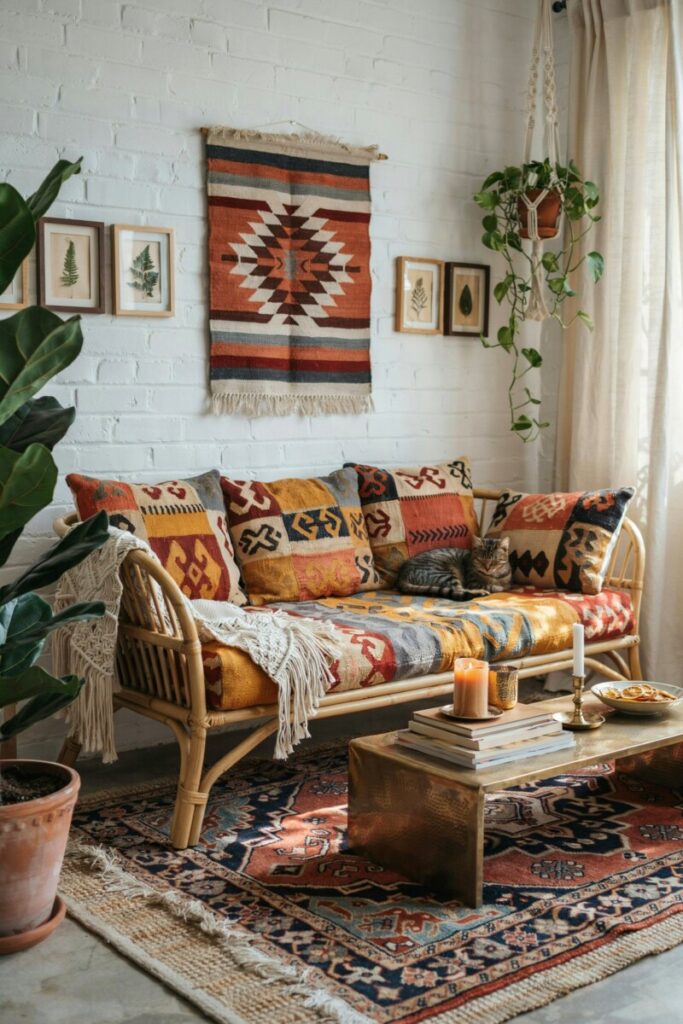
19. Eclectic Interior Design
Eclectic interiors combine different periods, colors, patterns, and materials into one coherent story. The trick is a unifying device: a repeated color palette, consistent wood or metal finishes, or similar proportions across mismatched furniture. The mood is personal, collected-over-time, and full of visual interest. Among the many types of interior design styles, eclectic best suits people who love several looks and refuse to pick just one. Tip: Edit ruthlessly—each piece should differ from its neighbors yet share at least one trait, like color, scale, or material.
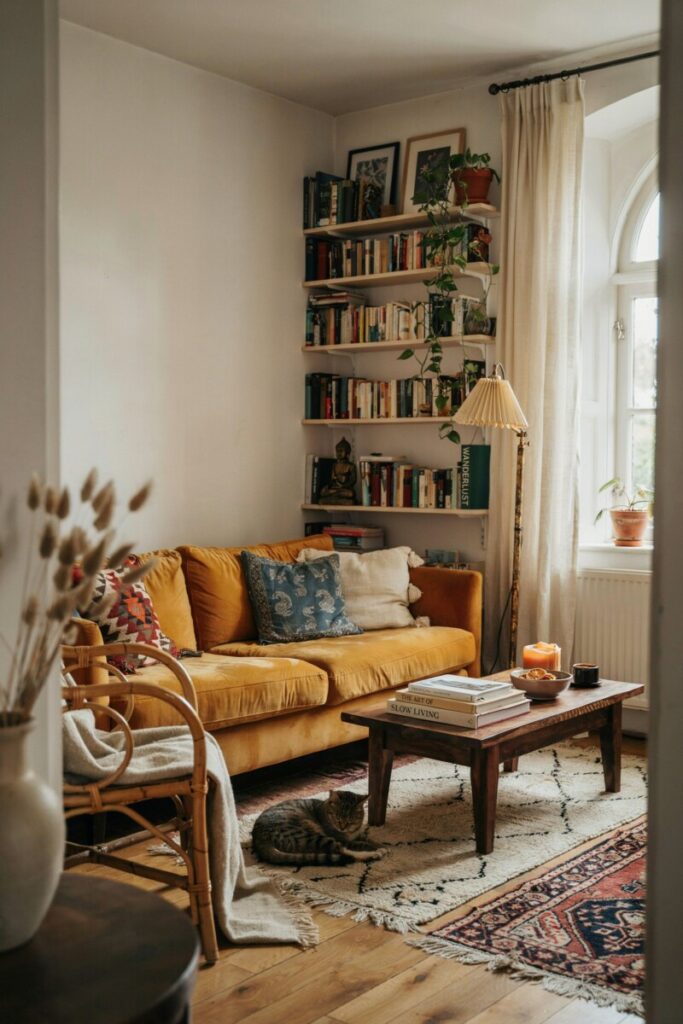
20. Maximalist Interior Design
Maximalism embraces bold colors, layered patterns, statement artwork, dramatic lighting, and proudly displayed collections. Rooms feel expressive, energetic, and deeply personal. Balance comes from intention: repeat a few colors throughout, vary pattern scale, and give the eye one focal point per room. Maximalist decor suits dining rooms, libraries, and homes of confident collectors. Tip: Start with a bold paint color or wallpaper, then build layers slowly so the room feels composed, not chaotic.
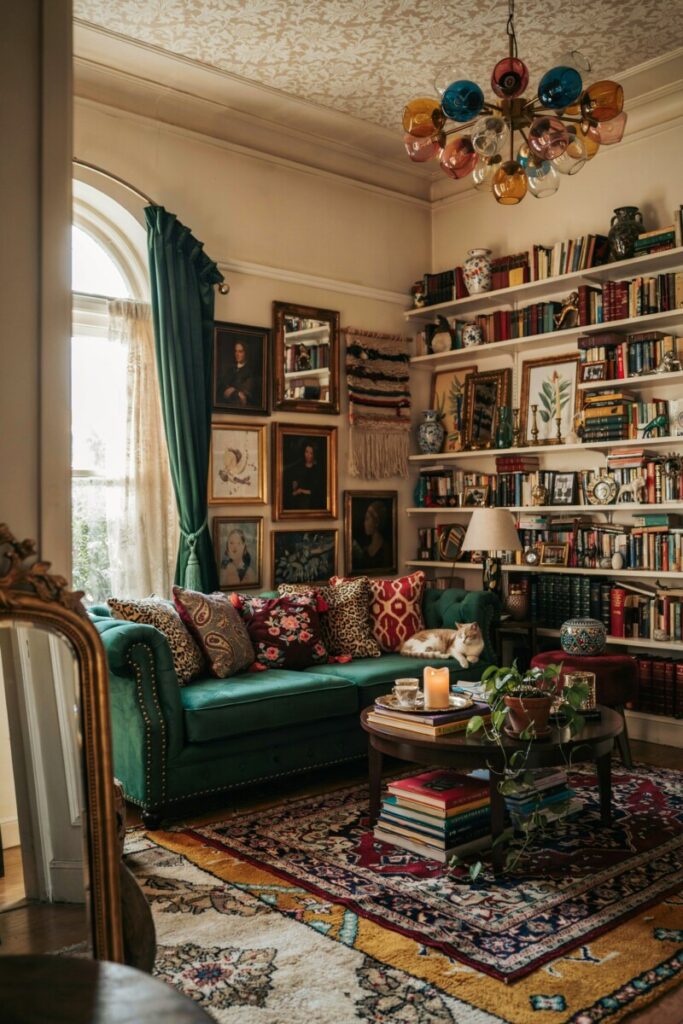
21. Grandmillennial Interior Design
Grandmillennial style—sometimes called “granny chic”—revives traditional patterns with youthful energy: floral fabrics, wallpaper, pleated lampshades, rattan, and antique or vintage-inspired furniture. Nostalgic details like china or needlepoint feel affectionate, not formal. The look stays fresh when paired with modern art, crisp paint, and unexpected color. It charms bedrooms, sitting rooms, and renters seeking character. Tip: Mix one or two heirloom-style pieces into otherwise simple rooms, like a chintz pillow on a clean-lined sofa.
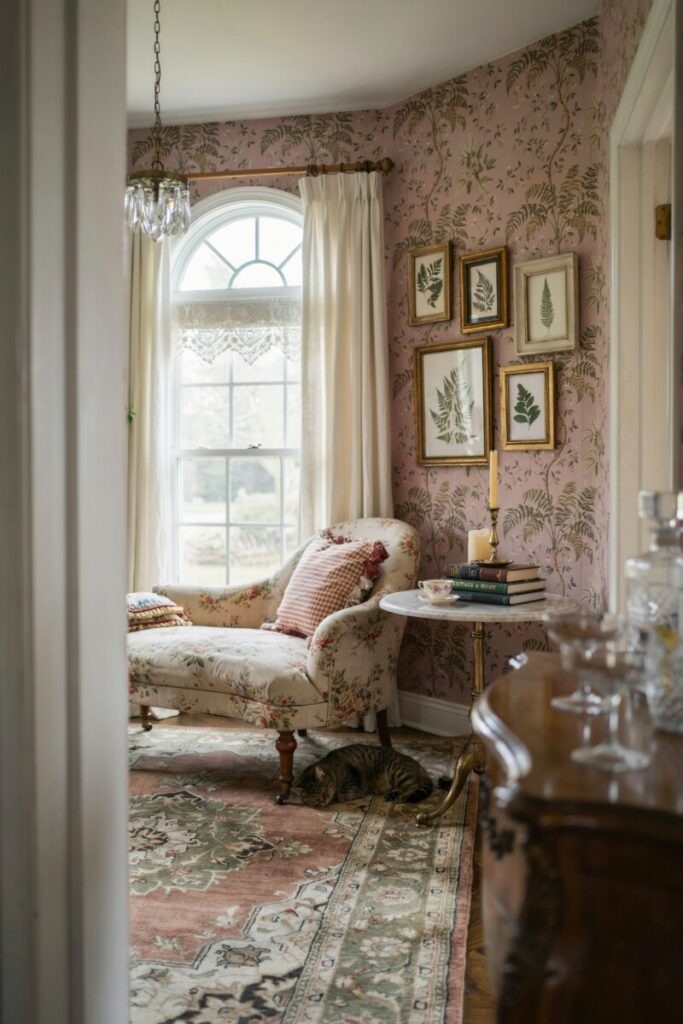
22. Vintage Interior Design
Vintage design centers on furniture and decor inspired by earlier decades, favoring aged finishes, retro accessories, and classic patterns, with personal collecting at its heart. The mood is nostalgic, warm, and one-of-a-kind. Mixing vintage pieces with modern essentials keeps rooms functional and prevents a museum feel—a budget-friendly route for apartment dwellers and thrift lovers. Tip: Anchor each room with comfortable, current seating and let vintage finds—lamps, mirrors, side tables—tell the story.
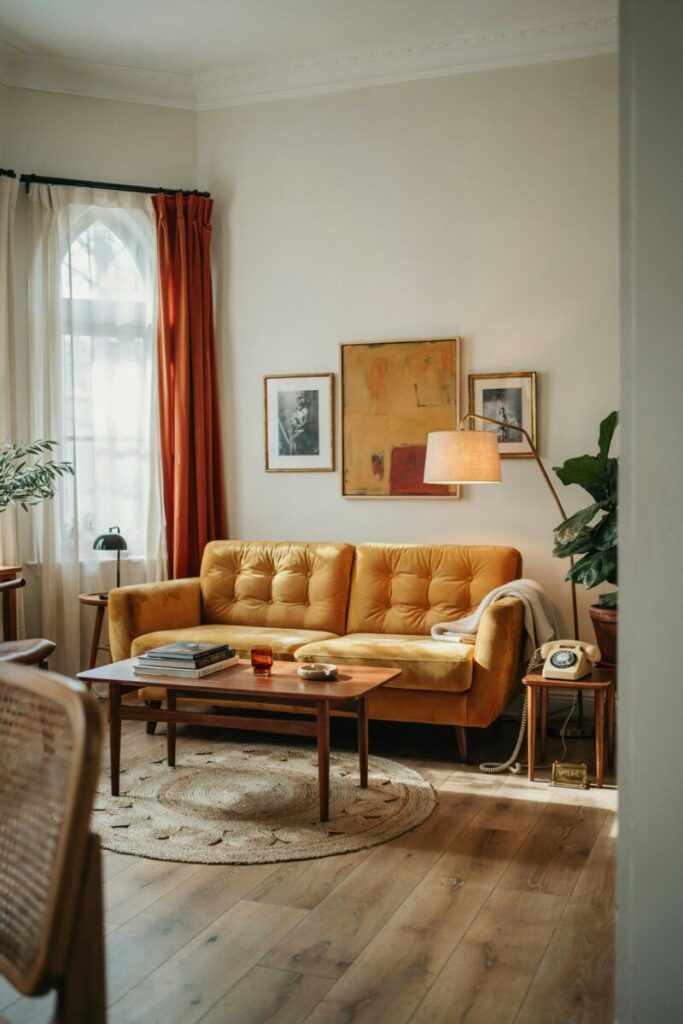
23. Retro Interior Design
Retro design plays with nostalgia from the 1950s, ’60s, and ’70s: bold colors like avocado, mustard, and orange; playful shapes; geometric patterns; and nostalgic lighting such as globe pendants. Furniture sits low and loungey, often with chrome or molded details. The mood is fun and energetic. Retro accents shine in kitchens, dens, and playful home offices. Tip: Commit to one era-inspired statement—a curved sofa or patterned rug—and keep the backdrop neutral.
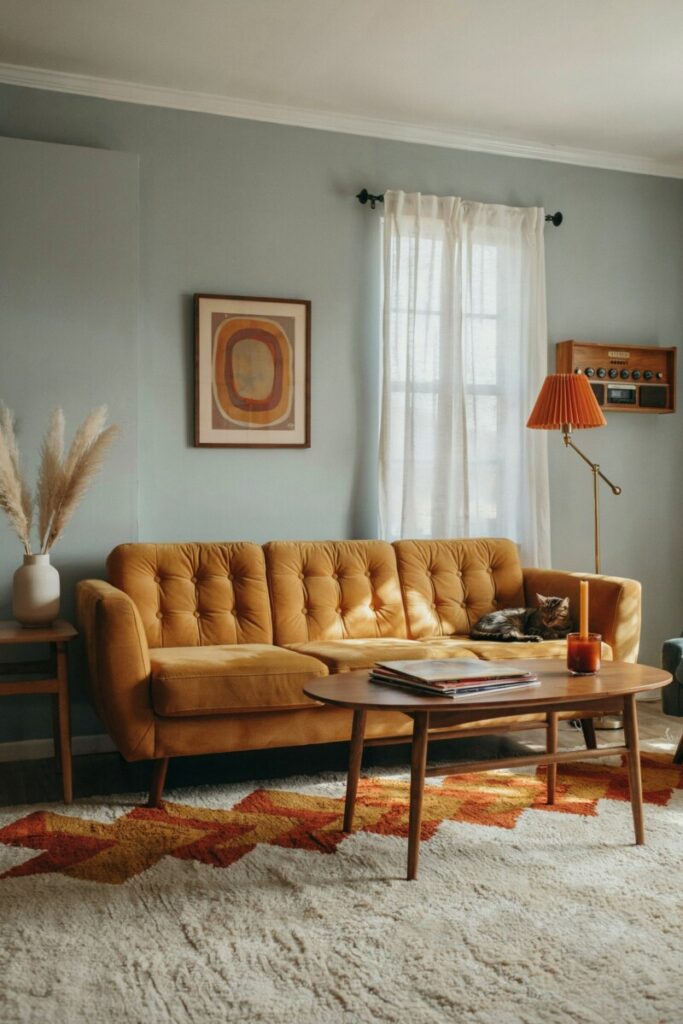
24. Art Deco Interior Design
Art Deco delivers 1920s glamour: symmetry, geometric patterns, jewel tones like emerald and sapphire, mirrored surfaces, metallic accents in brass or chrome, luxurious velvet, and sculptural lighting. The mood is dramatic and polished. Used in moderation, Deco details read sophisticated rather than costumey, working beautifully in dining rooms, entryways, and powder rooms. Tip: Introduce the style through a few glossy moments—a mirrored console, sunburst mirror, or velvet accent chair—against calm walls.
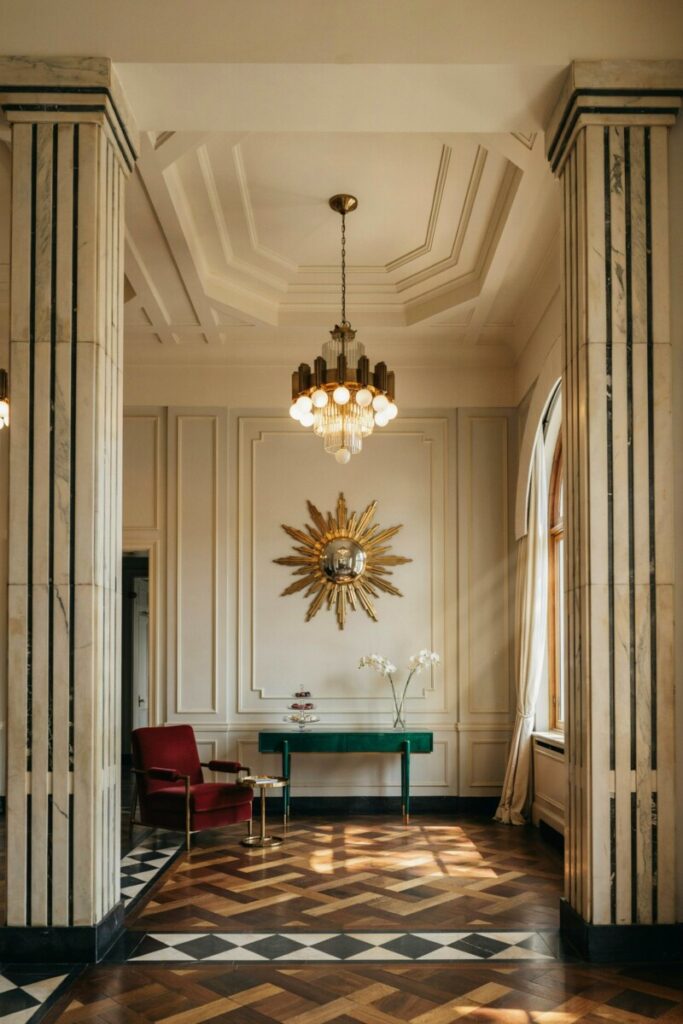
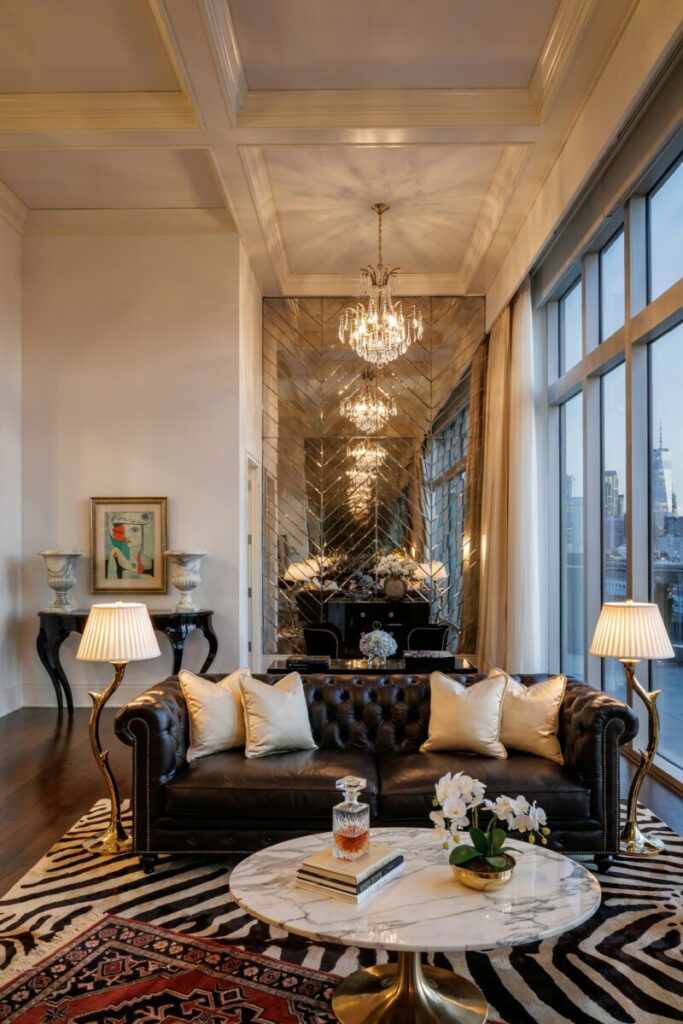
25. Hollywood Regency Interior Design
Hollywood Regency is glamour with a wink: high-contrast palettes, lacquered finishes, velvet upholstery, metallic accents, statement mirrors, and dramatic lighting like crystal chandeliers. Furniture is elegant yet often playful in scale or color. To achieve sophistication without excess, let a few glossy statements shine against simple backdrops. The style suits formal living rooms, bedrooms, and anyone who loves a little drama. Tip: Pick one bold color—palm green or blush pink—and repeat it in small doses.
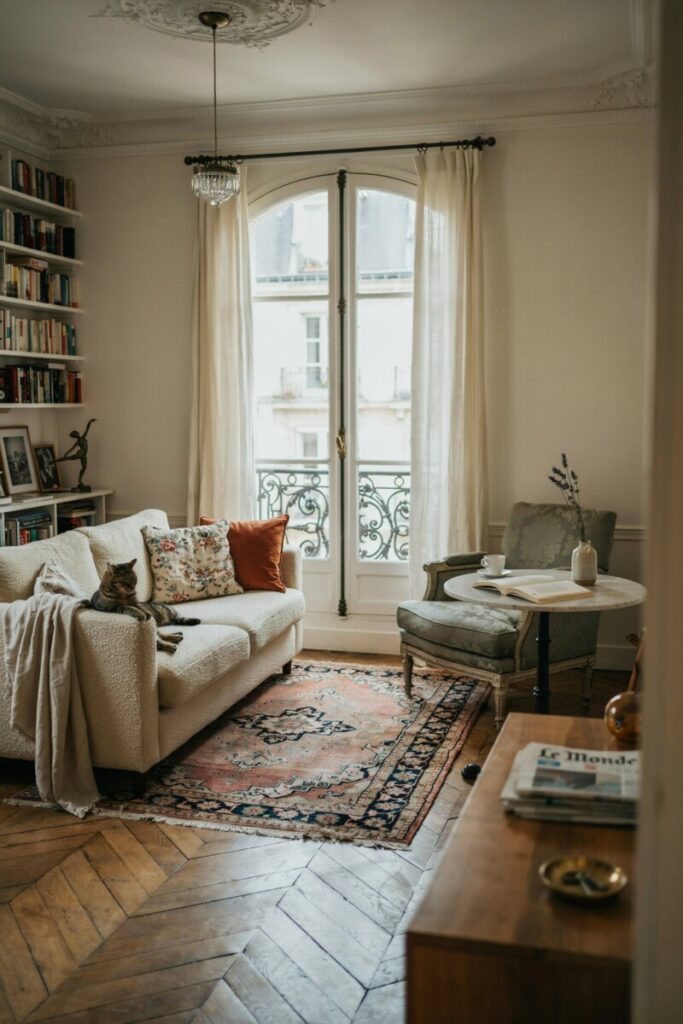
26. Parisian Interior Design
Parisian interiors balance ornate architecture with effortless styling: herringbone floors, crown molding, tall windows, and antique furniture against neutral walls. Modern artwork and contemporary lighting mix freely with gilded decorative mirrors and marble fireplaces, creating that signature old-meets-new ease. The mood is romantic yet relaxed. The look adapts well to US homes with strong architectural bones. Tip: Highlight molding and original details, hang oversized modern art, and favor collected pieces over matching sets.
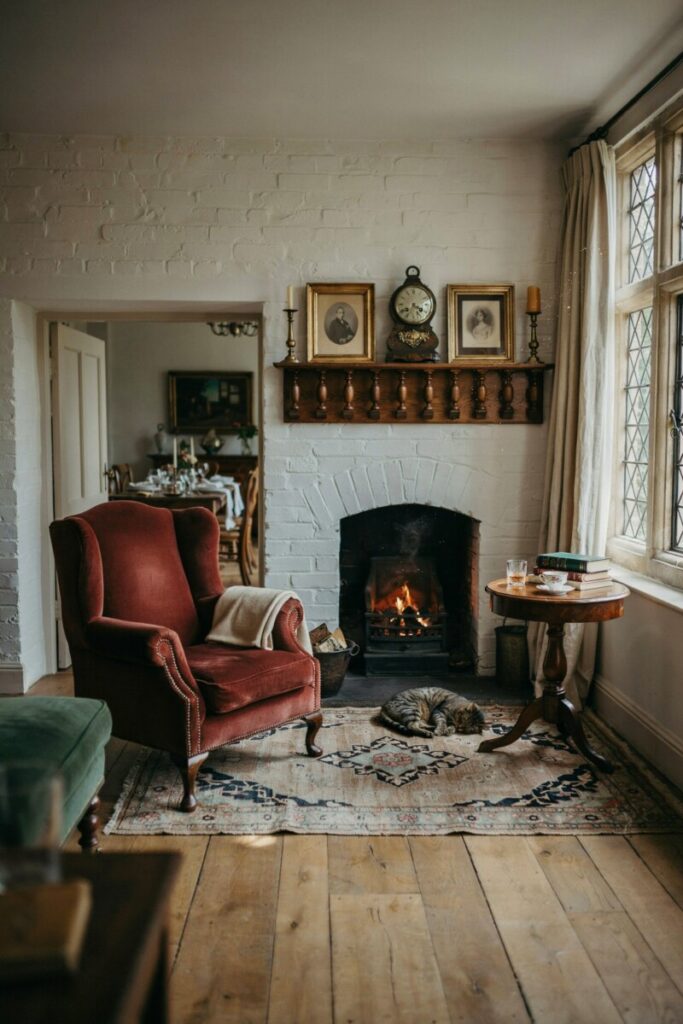
27. English Country Interior Design
English country rooms feel collected, comfortable, and gently romantic: floral patterns, deep comfortable seating, stacks of books, traditional furniture, and layered textiles in warm colors. Antique details and slightly worn fabrics create a lived-in, welcoming atmosphere. The style suits libraries, living rooms, and older homes with character. Tip: Layer patterns confidently—floral curtains with a striped rug—unified by one shared color, and keep seating plush enough for long reading sessions.
28. Cottagecore Interior Design
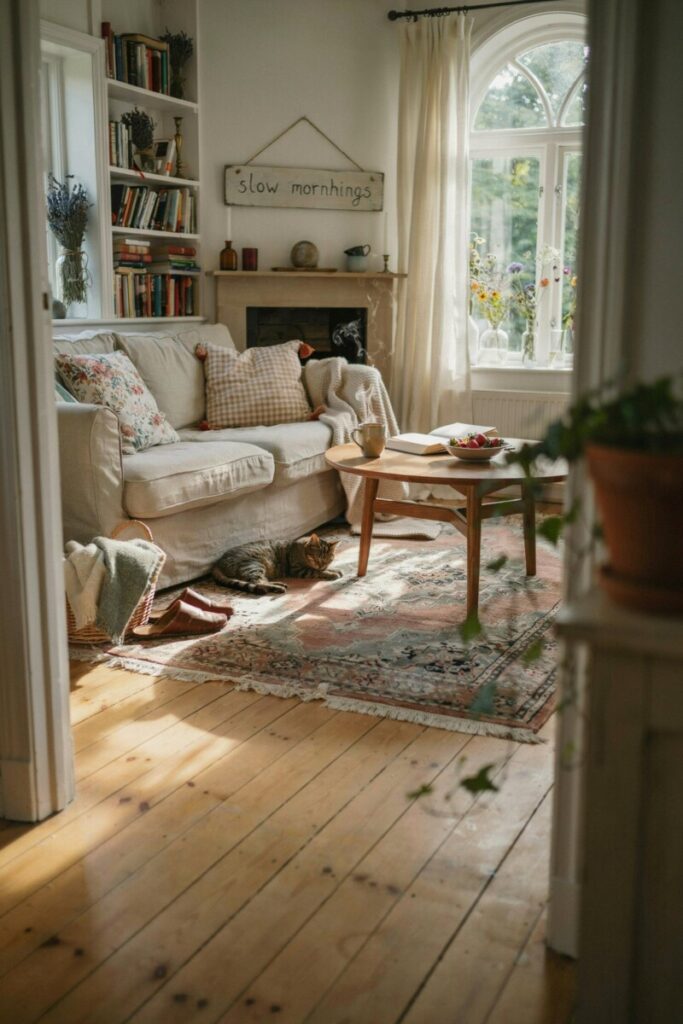
Cottagecore romanticizes countryside living: cozy rooms, floral prints, handmade decor, vintage furniture, soft colors like cream and sage, and natural materials such as cotton, wool, and light wood. Gardening references—dried flowers, potted herbs, botanical prints—deepen the storybook mood. It appeals to renters and homeowners craving softness and nostalgia. Tip: Add handmade or vintage touches gradually, like a crocheted throw or pressed-flower art, so the room feels gathered, not staged.
29. Shabby Chic Interior Design
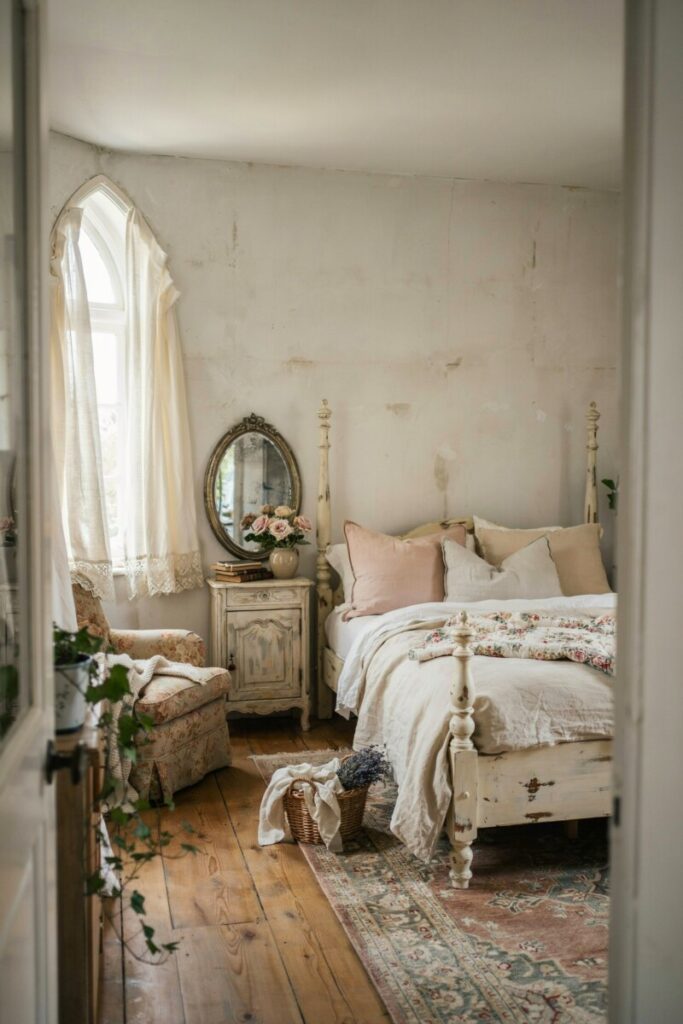
Shabby chic favors distressed, painted furniture, soft pastel colors, floral patterns, vintage accessories, and romantic textiles like lace and washed linen. The mood is gentle, feminine, and comfortably worn-in. Used selectively, the style looks curated; used everywhere, it can read dated. It charms bedrooms, sunrooms, and cottage-style homes. Tip: Limit the look to a few well-chosen pieces—a painted dresser, a slipcovered chair—balanced by clean walls and simple lighting.
30. Organic Modern Interior Design
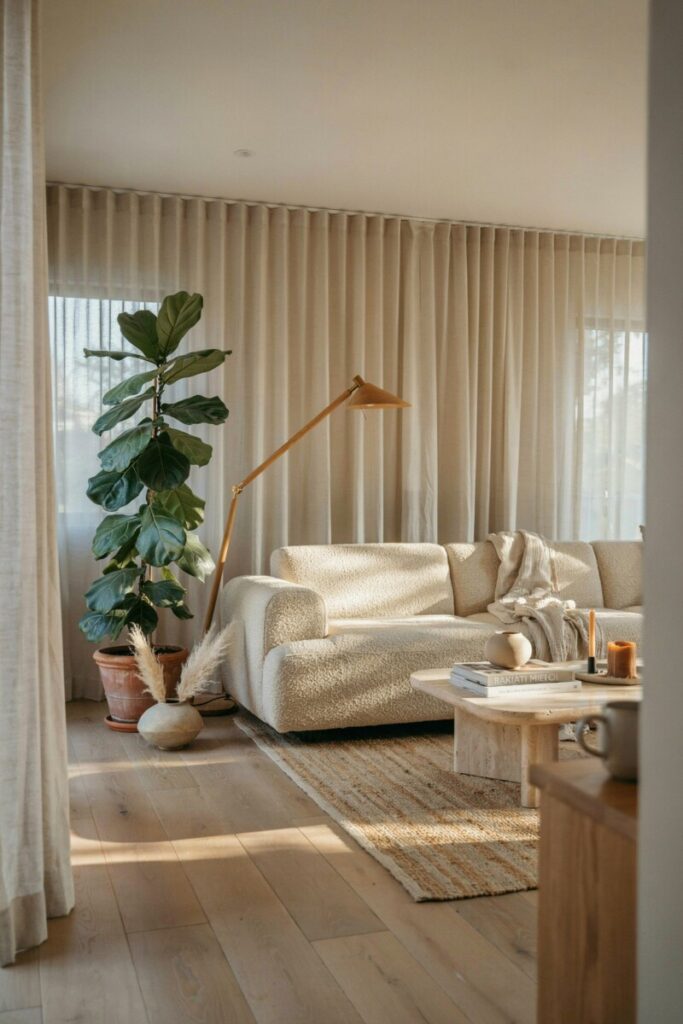
Organic modern pairs modern simplicity with nature’s softness: warm neutrals, sculptural forms, soft curves, and materials like stone, wood, linen, and boucle. Indoor plants and natural light keep rooms calming, connecting the style to wellness-focused and biophilic design thinking. It suits living rooms and bedrooms where rest matters most. Tip: Choose furniture with rounded edges and matte finishes, then layer natural textures—travertine, oak, wool—so the neutral palette never feels flat.
31. Biophilic Interior Design
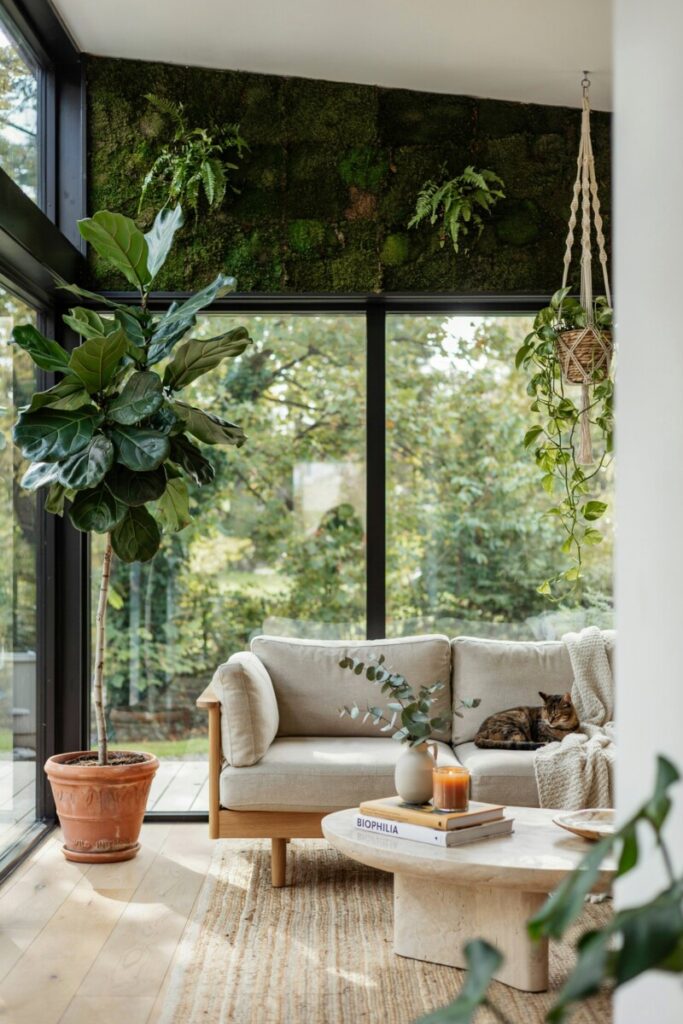
Biophilic design strengthens the connection between indoors and out: abundant natural light, plenty of indoor plants, good ventilation, natural textures, organic shapes, and water-inspired colors like greens and blues. Views of nature are maximized, not blocked. The mood is restorative and fresh—most people simply find plant-filled rooms more pleasant to spend time in. It works in any room, especially home offices. Tip: Place greenery at varying heights—floor plants, trailing shelves, windowsill herbs—and keep sightlines to windows clear.
32. Sustainable Interior Design
Sustainable interior design prioritizes thoughtful choices over buying everything new: durable furniture, recycled or reclaimed materials, secondhand shopping, low-waste decorating, energy-efficient lighting, and natural finishes. Decisions are made to last, in quality and in style. It’s a philosophy more than a look, so it adapts to any home and budget. Tip: Begin by keeping and repairing what you own, then buy vintage or certified sustainable wood for new pieces, choosing classic shapes that won’t feel trendy.
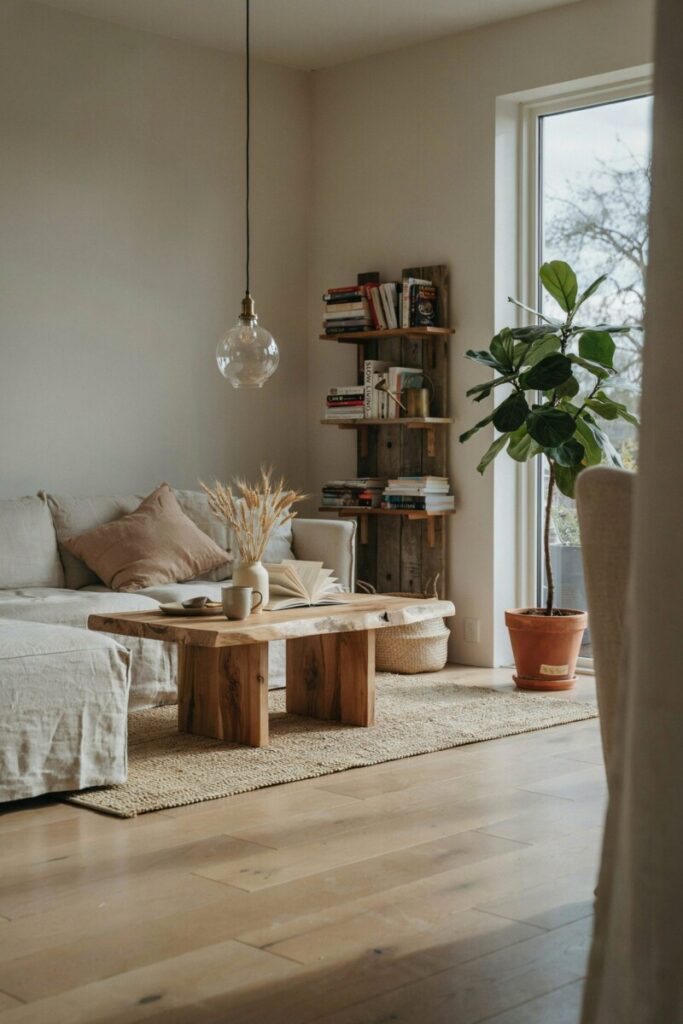
33. Southwestern Interior Design
Southwestern design draws on desert landscapes and the region’s deep cultural heritage: terracotta and clay tones, leather, woven textiles, geometric patterns rooted in Indigenous craft, natural wood, and rustic materials. The mood is warm, sun-faded, and grounded. Approach motifs with respect, choosing authentic pieces from Indigenous and local artisans rather than mass-produced imitations. Tip: Layer earthy color and handwoven textiles against plaster-style walls, letting a few genuine pieces carry the story.
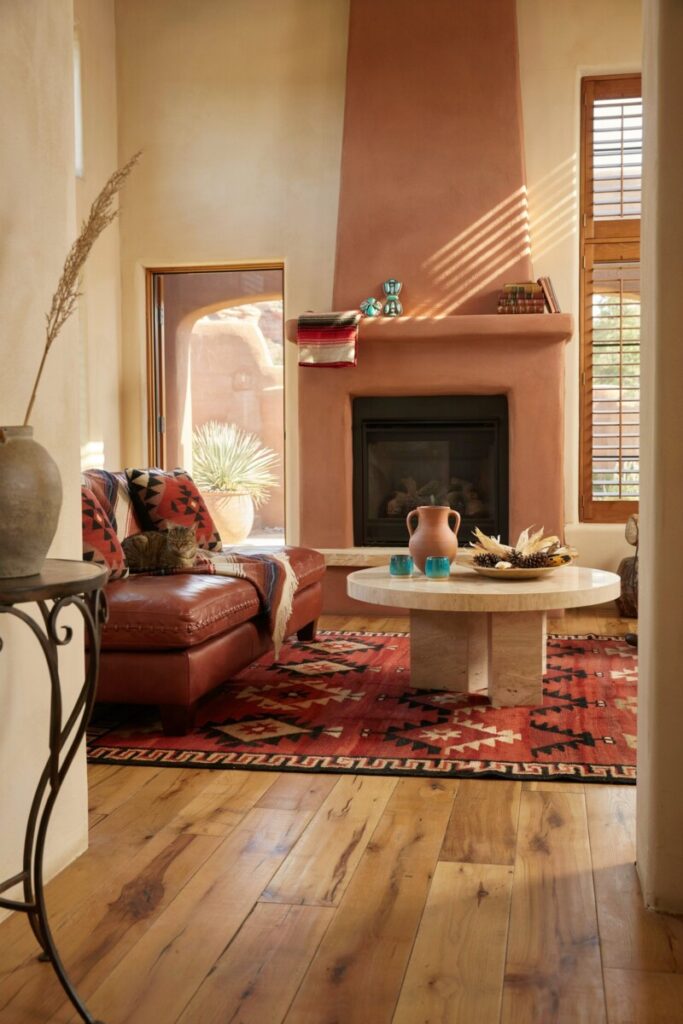
34. Modern Rustic Interior Design
Modern rustic relaxes rustic materials into contemporary layouts: simple furniture, neutral colors, and comfortable textiles set against stone, wood, and other natural textures. The result is polished but never stiff—picture a linen sofa beneath exposed beams, or matte black pendants over a reclaimed wood table. It suits family rooms, kitchens, and homes that want warmth with clean lines. Tip: Limit the palette to two or three neutrals and let texture—stone, grain, weave—provide all the pattern.
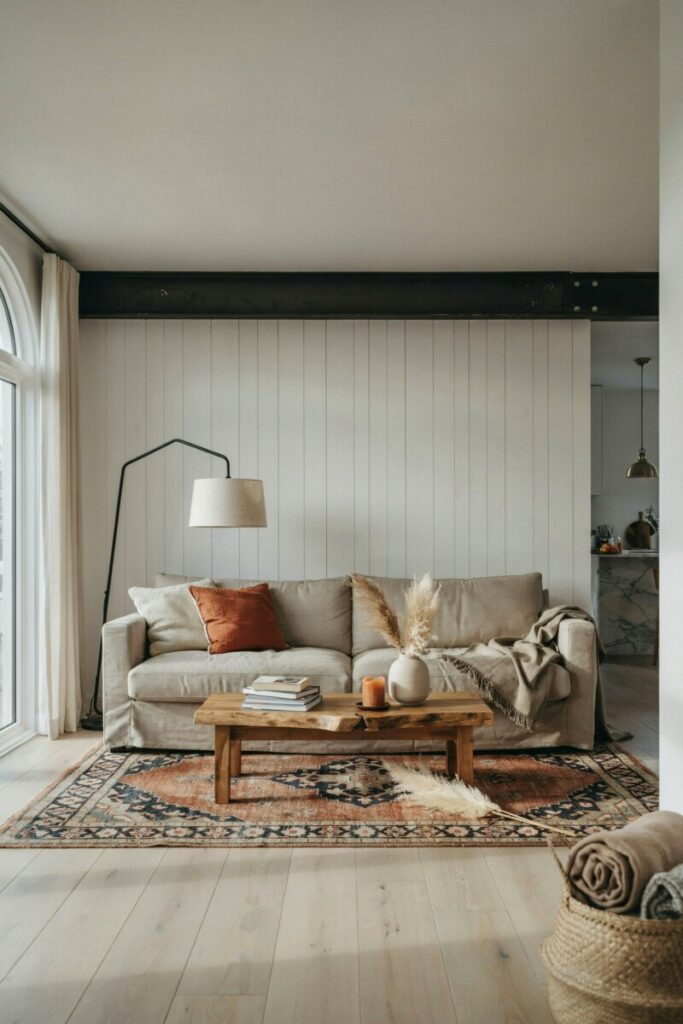
35. Luxury Interior Design
Luxury design is defined by quality more than price tags: tailored furniture, layered lighting, elegant finishes, custom details like built-ins and millwork, sophisticated color schemes, and careful visual balance. Craftsmanship, comfort, and thoughtful planning create the sense of abundance, even in modest square footage. It suits primary suites, living rooms, and whole-home renovations. Tip: Invest in what you touch daily—mattresses, seating, hardware—and let a few custom touches, like tailored window treatments, do the heavy lifting.
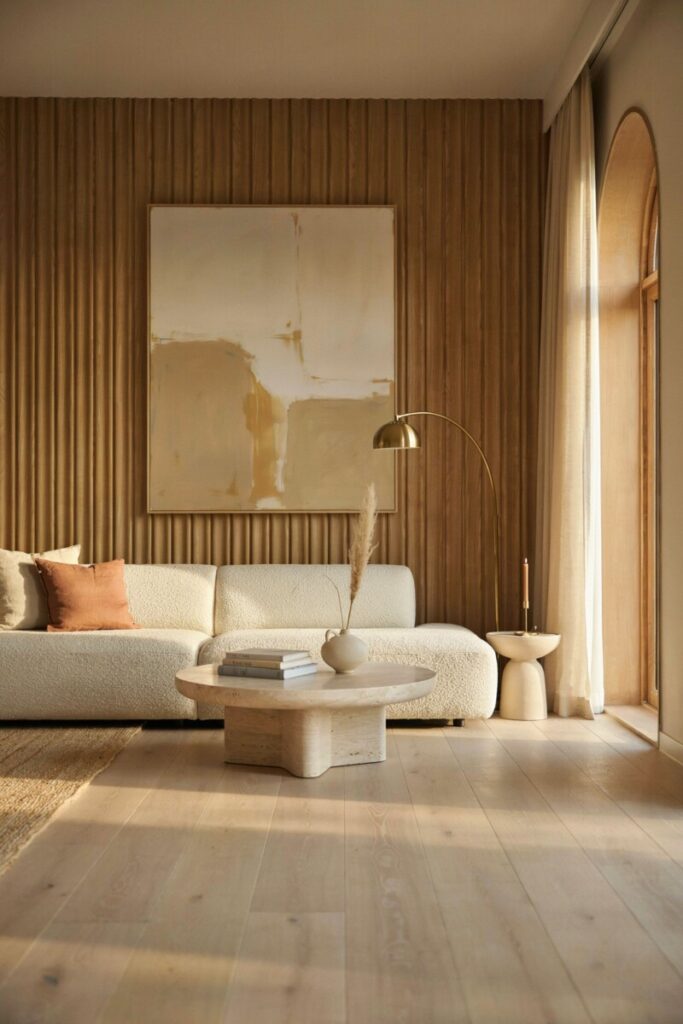
Quick Comparison: All 35 Styles at a Glance
| Interior design style | Overall mood | Signature colors | Key materials | Best for |
|---|---|---|---|---|
| 1. Modern | Orderly, calm | Neutrals, black accents | Glass, steel, wood | Open-concept homes, apartments |
| 2. Contemporary | Fresh, polished | Warm neutrals, deep accents | Mixed materials, curved forms | Current-looking updates |
| 3. Minimalist | Clear, serene | White, soft gray | Smooth surfaces, hidden storage | Small homes, clutter-free living |
| 4. Scandinavian | Light, cozy | Warm white, pale wood | Light wood, wool, linen | Apartments, smaller homes |
| 5. Japandi | Serene, grounded | Oatmeal, taupe, charcoal | Oak, ceramics, organic shapes | Bedrooms, calm living spaces |
| 6. Mid-Century Modern | Airy, nostalgic | Walnut, mustard, olive | Teak, tapered legs, geo prints | Ranch homes, offices |
| 7. Industrial | Raw, urban | Gray, black, rust | Brick, concrete, metal | Lofts, basements, city flats |
| 8. Traditional | Composed, welcoming | Rich reds, greens, gold | Dark wood, damask, rugs | Family homes, formal rooms |
| 9. Modern Traditional | Familiar, fresh | Warm white, soft neutrals | Molding, mixed old and new | Historic, older suburban homes |
| 10. Transitional | Classic, current | Beige, gray, taupe | Mixed finishes, upholstery | Nearly any home, resale |
| 11. Farmhouse | Relaxed, lived-in | Cream, soft blue, wood | Natural wood, cotton, baskets | Family homes, kitchens |
| 12. Modern Farmhouse | Bright, unfussy | White, black accents | Shaker cabinets, jute, oak | Suburban builds, renovations |
| 13. Rustic | Grounded, cozy | Brown, rust, moss | Reclaimed wood, stone, leather | Cabins, lake houses, dens |
| 14. Rustic Modern | Warm, dramatic | Neutral, stone tones | Stone, weathered wood, sleek seating | Mountain homes, great rooms |
| 15. Coastal | Breezy, light | Sandy neutrals, sea blue | Linen, rattan, woven fibers | Beach houses, sunny rooms |
| 16. Mediterranean | Warm, hospitable | Terracotta, olive, cream | Plaster, stone, iron, tile | Sunbelt homes, patios |
| 17. California Casual | Relaxed elegance | Neutrals, honey wood | Linen, leather, greenery | Indoor-outdoor homes |
| 18. Bohemian | Free-spirited | Jewel tones, varied | Layered textiles, vintage finds | Rentals, nooks, creatives |
| 19. Eclectic | Personal, collected | Repeated palette | Mixed periods, finishes | Multi-style lovers |
| 20. Maximalist | Bold, expressive | Saturated color | Wallpaper, art, collections | Dining rooms, libraries |
| 21. Grandmillennial | Nostalgic, playful | Florals, chintz hues | Rattan, pleated shades, antiques | Bedrooms, sitting rooms |
| 22. Vintage | Warm, one-of-a-kind | Era-dependent | Aged finishes, retro accessories | Thrifters, apartments |
| 23. Retro | Fun, energetic | Avocado, mustard, orange | Chrome, molded shapes | Kitchens, dens, playful offices |
| 24. Art Deco | Dramatic, polished | Emerald, sapphire, gold | Mirrors, velvet, brass | Entryways, dining rooms |
| 25. Hollywood Regency | Glam, bold | High contrast, one pop | Lacquer, velvet, crystal | Formal rooms, glam bedrooms |
| 26. Parisian | Romantic, effortless | Neutral walls | Herringbone, molding, gilt | Homes with good bones |
| 27. English Country | Comfortable, collected | Warm florals | Chintz, books, antiques | Libraries, living rooms |
| 28. Cottagecore | Soft, storybook | Cream, sage, blush | Cotton, wool, vintage pieces | Cozy bedrooms, cottages |
| 29. Shabby Chic | Gentle, worn-in | Pastels, white | Painted wood, lace, florals | Sunrooms, cottage bedrooms |
| 30. Organic Modern | Calming, sculptural | Warm neutrals | Stone, boucle, curved wood | Living rooms, bedrooms |
| 31. Biophilic | Restorative, fresh | Greens, blues | Plants, daylight, natural fibers | Home offices, any room |
| 32. Sustainable | Thoughtful, lasting | Varies | Reclaimed, recycled, durable | Any home, any budget |
| 33. Southwestern | Sun-faded, warm | Terracotta, clay | Leather, woven textiles, wood | Desert homes, texture lovers |
| 34. Modern Rustic | Relaxed, polished | 2–3 neutrals | Stone, beams, linen | Family rooms, kitchens |
| 35. Luxury | Refined, comfortable | Sophisticated schemes | Millwork, tailored upholstery | Primary suites, whole-home |
How to Choose the Right Interior Design Style
Figuring out how to choose an interior design style starts with honest observation, not trend charts. First, look at how you actually live. Do you host often, work from home, chase toddlers, or share the sofa with a shedding dog? Your household’s needs—comfort, storage, entertaining, relaxation, or resale appeal—should shape the style as much as your taste does.
Next, listen to the house itself. The age and architecture of your home matter: a 1920s bungalow with original trim may lean traditional or modern traditional, while a new-build loft might shine with industrial or contemporary lines. Take stock of available natural light, room sizes, ceiling heights, and the existing flooring, cabinetry, and architectural features you plan to keep. A moody jewel tone can feel intentional in a den, but the same palette may overwhelm a dim, north-facing bedroom.
Be realistic about maintenance, budget, and scope. Polished finishes show fingerprints; white slipcovers and muddy paws rarely coexist peacefully. Decide whether your project is a full home renovation or a slow, room-by-room refresh, and set a practical budget before falling in love with a marble island or custom built-ins. Climate and region matter too, across the United States: breezy rattan suits coastal areas, terracotta and clay fit the Southwest, and heavy wool layers earn their keep in snowy northern states. These regional realities shape which home interior design styles will feel natural rather than imported.
Finally, test your instincts with a mood board. Gather paint colors, furniture images, fabric samples, flooring ideas, and lighting inspiration in one place—a corkboard or a digital folder both work. Step back and look for repetition. If the same warm whites, wood tones, and curved sofas keep appearing, you’ve just identified your direction. The best interior design style for your home is rarely the one trending this month; it’s the one that still feels like you after the mood board, the measurements, and the budget have all had their say.
Can You Mix Interior Design Styles?
Yes—and most designers would argue the best rooms do. Mixing different interior design styles keeps a home from looking like a single showroom display. The trick is structure. Choose one dominant style and one or two supporting influences so the room has a clear point of view. Repeat colors throughout the space to tie disparate pieces together, and balance old and new furniture so nothing feels like a museum piece or a big-box afterthought.
Coordinate materials and finishes as well. Every wood tone doesn’t need to match, but finishes should feel related: repeat aged brass across lighting and hardware, for instance, or keep all wood in the same warm family. Use area rugs, artwork, and lighting to connect furniture from different eras, and maintain consistent scale and proportion so a bulky sectional doesn’t swallow a delicate antique chair. Finally, avoid adding unrelated trends just because they’re popular; each new piece needs a visual connection to something already in the room.
Need a concrete example? Modern farmhouse furniture—think a comfortable linen sofa and an oak dining table—pairs beautifully with Scandinavian lighting and organic modern accessories like a curved ceramic vase or travertine side table. The result feels collected, not decorated, which is exactly the point.
Interior Design Styles by Room
Different rooms ask for different moods, so it’s fine to shift emphasis as you move through the house. Popular living room design styles—transitional, modern, organic modern, eclectic—tend to prioritize comfortable seating and conversation-friendly furniture arrangement, anchored by an area rug and layered lighting. Bedroom design styles usually run calmer and cozier: Scandinavian, Japandi, cottagecore, and Parisian all translate beautifully into restful spaces built on soft textiles and warm, dimmable light.
Kitchen design styles often follow the home’s architecture: modern farmhouse and traditional kitchens suit older and suburban homes, while sleek modern and contemporary cabinetry flatters urban apartments. In bathrooms, small changes carry big weight—Mediterranean or Art Deco decorative tile, aged brass fixtures, a well-chosen mirror. Home offices benefit from focus-friendly looks like minimalist, biophilic, or mid-century modern, each of which keeps surfaces clear and inspiration close. For small space decorating and apartment interior design, lighter styles such as Scandinavian, Japandi, and minimalist stretch square footage with multifunctional furniture and uncluttered layouts.
Don’t neglect first impressions and fresh air. Entryways welcome a console table, decorative mirror, and statement lighting from nearly any style, while outdoor living spaces are a natural home for coastal, California casual, or Mediterranean pieces built to weather the elements. One home can absolutely host different styles in different rooms and still feel cohesive. The glue is repetition: carry the same flooring, hardware finish, paint undertone, or wood tone from room to room, and let these home decorating ideas vary in accent rather than foundation.
Common Interior Design Mistakes
Even experienced decorators stumble over the same issues. Watch for these frequent missteps:
- Choosing a style only because it’s trending
- Buying furniture before measuring the room
- Using too many competing colors
- Ignoring lighting, or relying on a single overhead fixture
- Selecting furniture that looks good but feels uncomfortable
- Decorating without planning enough storage
- Matching every item too perfectly
- Filling every wall and surface
- Mixing finishes without a consistent plan
- Forgetting how the room will actually be used
None of these mistakes is fatal, and most are fixed with patience rather than money. The best home interiors balance aesthetics, comfort, function, and personal identity—so before buying anything new, ask whether it serves at least two of those four goals.
Frequently Asked Questions
What are the most popular interior design styles?
Popularity varies with personal taste, home architecture, location, and current design preferences, but frequently loved styles include modern, contemporary, transitional, Scandinavian, farmhouse, coastal, minimalist, and eclectic. Many homeowners blend two or three of these rather than following one strictly, creating spaces that feel personal instead of prescribed.
How do I know which interior design style suits me?
Review your favorite colors, furniture shapes, materials, and the rooms where you feel most at ease, then scan your saved inspiration images for repetition. If the same wood tones, patterns, or silhouettes keep appearing—say, curved sofas and warm neutrals—that pattern is your style, already telling you its name.
What is the difference between modern and contemporary interior design?
Modern design refers to a defined early-to-mid-20th-century movement with characteristic principles: clean lines, functional layouts, and materials like steel, glass, and wood. Contemporary design describes what feels current right now, so it changes over time—today’s version favors curved forms, mixed materials, and warm neutral palettes.
Can I combine two different interior design styles?
Yes. Combining styles works when you establish a consistent color palette, repeat materials or finishes across pieces, and maintain balance and proportion. Choose one dominant style plus a supporting influence, and use rugs, lighting, and artwork to connect furniture from different eras into one cohesive room.
Which interior design style is best for a small home?
Minimalist, Scandinavian, Japandi, contemporary, and modern styles all work well in smaller spaces because they favor light colors, uncluttered layouts, and smart storage. Pair any of them with multifunctional furniture—modular sofas, storage beds, fold-down desks—and mirrors that amplify natural light, and small rooms feel noticeably larger.
Is sustainable interior design expensive?
It can be either. Sustainable design includes affordable choices like secondhand furniture, repairing existing pieces, and simply buying less, alongside pricier options such as certified new furniture. The goal is thoughtful, long-lasting decisions—durable products and classic shapes—so you replace things less often, which usually saves money over time.
What is the difference between interior design and interior decorating?
Interior design often involves space planning, layouts, construction coordination, materials, and technical elements, while interior decorating focuses on furnishings, colors, accessories, and visual styling. Professional definitions and licensing rules vary by state, so treat this as a general distinction rather than legal or professional advice.
Conclusion
There is no single correct answer among the many interior design styles covered here. The best choice is the one that reflects your personality, supports your daily routines, fits your home’s structure, and still feels comfortable years from now. A style should serve your life—not the other way around.
If you’re unsure where to begin, start with one room. Build a small mood board, measure your space before ordering anything, identify a practical budget, and introduce new pieces gradually. Living with a room for a while usually teaches you what it truly needs, and mixing in inherited or secondhand pieces keeps the result personal rather than packaged.
Whether you land on cozy farmhouse, calm Japandi, or collected eclectic, remember that interior design styles are starting points, not rules. Your home should look like you live there—because you do.
Which of these interior design styles best matches your home? Share your favorite style or decorating challenge in the comments.
